
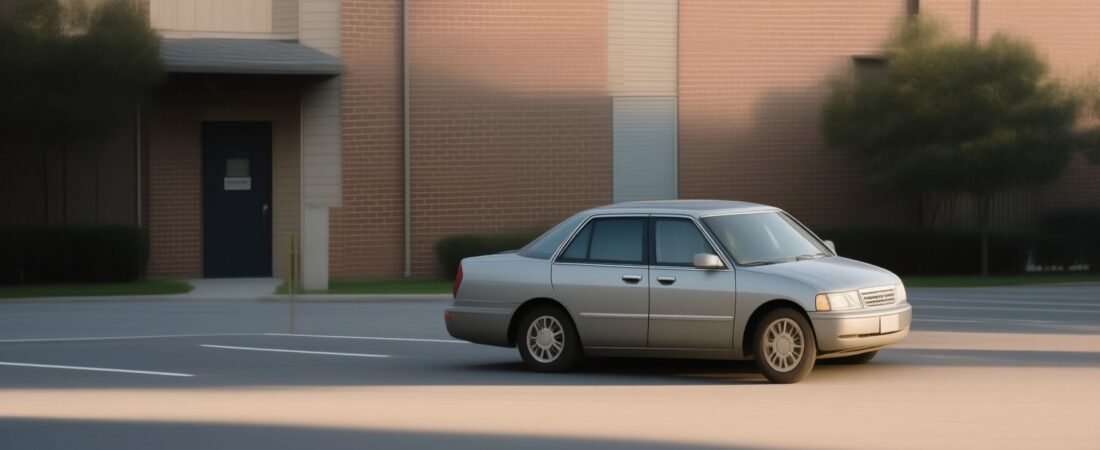
Quick Answer — It depends: A standard renters policy typically covers your belongings stolen from a car, usually after your deductible and within your coverage limits. It typically doesn’t cover the car itself or its broken window, which usually fall to an auto policy. The details depend on your policy wording, endorsements and state.
Your car window is in pieces on the pavement and the bag you left on the back seat is gone, so whose insurance pays for what? Two policies usually split the job. Renters insurance often handles the stolen belongings, while auto insurance usually handles the vehicle. Below, we walk through how that split typically works, what can shrink or block a claim, and what to do in the first hours.
Does Renters Insurance Cover Items Stolen From a Car?
Often, yes, with conditions. A standard renters policy typically covers your personal property, meaning your clothes, electronics, bags and other belongings, and that coverage usually follows your things away from home. Theft is typically one of the covered causes of loss (insurers call these “perils”), so a laptop taken from a locked car may qualify even though it was nowhere near your apartment.
Homeowners policies typically treat belongings the same way, but they also cover the structure of the house, which doesn’t matter for a car break-in. Whether a claim is paid still depends on your policy wording, your coverage limit (the most the insurer will pay) and your deductible (the amount you absorb before coverage starts). Theft is one covered cause among several, and fire is another, so our article on whether renters insurance covers fire and smoke damage shows how that kind of cause-based coverage works.
The close-up above shows the kind of scene at the center of this question: a vehicle, your belongings, and two different policies that may each play a part.
Who Pays for a Smashed Window and Other Car Damage?
In most cases, not your renters policy. Renters insurance is designed to protect your belongings, your liability to other people and your temporary living costs if your home becomes unlivable, and it isn’t designed to insure vehicles. Cars are typically insured under a separate auto policy, so broken glass, a damaged door lock or a punched ignition usually points there.
An auto policy often covers theft and vandalism only if you added optional physical-damage coverage, and that coverage comes with its own deductible. Parts attached to the car, such as an installed stereo, are often treated as part of the vehicle, which can push that loss toward the auto policy instead of the renters policy. How each policy draws that line depends on its wording, so it’s worth asking both insurers.
| Situation | Typically covered? | What to check in your policy |
|---|---|---|
| Laptop or backpack stolen from a locked car | Often covered under a renters policy, after your deductible and within your limits | The section on personal property away from home, any special limits on electronics, and any conditions about items left in a parked vehicle |
| Broken window or damaged door lock | Typically not under renters insurance; may fall under an auto policy if you carry theft and vandalism coverage | Whether your auto policy includes physical-damage coverage, and what its deductible is |
| Installed stereo or other equipment attached to the car | Often treated as part of the vehicle, so more likely an auto matter than a renters matter | How each policy defines vehicle parts, accessories and equipment, and whether either one limits them |
What About Theft From a Gym, Hotel or Public Place?
Belongings stolen away from home often fall under the same off-premises coverage as a car break-in. The key idea is that someone took the item, which is what insurers typically mean by theft. Something you simply misplaced is usually a different matter, and many policies don’t treat a lost item as stolen.
Where the property was can still matter. Items kept in a storage unit, a second residence or a student’s dorm room are sometimes treated differently from belongings you carry with you, and some policies set their own rules for those places. Your policy’s section on property away from home is the place to look, and the answer depends on the wording, any endorsements (add-ons that change the standard policy) and your state.
Is a Car Break-In Claim Worth Filing?
Here’s a hypothetical example: picture a tenant who parks on the street overnight and finds a smashed window and a missing backpack holding a laptop and headphones. The window may go to the auto policy and the backpack’s contents to the renters policy, each with its own deductible, so the tenant has to weigh what each claim could realistically pay. Several things can shrink or block a payout, and they’re worth knowing before you file.
- The deductible may be close to, or higher than, the value of what was taken, which can leave little or nothing to be paid.
- Many policies set special limits on certain categories, such as jewelry, cash and some electronics, so the limit for those items may be lower than your overall personal property limit.
- Business property, like a work laptop, tools or samples, is often limited or excluded under a personal renters policy.
- Items you don’t own, such as borrowed gear, an employer’s equipment or a roommate’s belongings, may not be covered unless the policy or an endorsement says so.
- Some policies attach conditions to theft from a parked vehicle, such as requiring evidence of forced entry, and whether yours does depends entirely on its wording.
- Items that were lost or misplaced, rather than taken by someone, typically don’t count as theft.
Insurers read a claim by asking what caused the loss, and the answer shapes the outcome. Our article on whether renters insurance covers water leak and pipe damage shows the same cause-based thinking in a very different situation. It
Frequently Asked Questions
Does renters insurance cover car break ins?
Renters insurance typically covers personal belongings stolen from your car, such as a laptop, gym bag, or backpack, because the coverage often follows your property away from home. However, it usually does not cover damage to the vehicle itself, like a smashed window. That part depends on your policy and state, so check your policy or contact your insurer to confirm.
Does auto insurance or renters insurance pay for a broken car window after a break in?
Damage to the car itself, including a broken window, is usually handled by the comprehensive portion of an auto policy rather than renters insurance. Whether that coverage is included depends on your policy and state. Your insurer can tell you what applies to your vehicle.
Will my renters insurance cover stolen items if they were left in my car?
Many policies typically cover stolen personal property no matter where the theft happens, but some policies place limits or exclusions on certain items or situations. Items left in plain view or in an unlocked car may be treated differently depending on the insurer. Reading the personal property section of your policy can help you understand what applies.
Do I have to pay my deductible for a car break in claim on renters insurance?
A deductible usually applies to a renters insurance claim, meaning you typically pay that portion before the insurer pays the rest. If the value of the stolen items is close to or below your deductible, a claim may not result in a payout. Your policy declarations page usually lists your deductible, and your insurer can explain how it works for your situation.
What should I do after my car is broken into and my belongings are stolen?
It is often helpful to file a police report, take photos of any damage, and make a list of the missing items. You can then contact your insurer to ask about starting a claim. If you disagree with a claim decision, a licensed attorney or your state insurance department can help explain your options.
Where to Verify This for Your Own Situation
- Your own policy: the declarations page, the coverage forms and any endorsements are what actually decide a claim.
- Your insurer or licensed agent: ask for the answer in writing if it affects a major decision.
- Your state insurance department: the regulator for your state, through the National Association of Insurance Commissioners (NAIC) website.
- General consumer explanations: the Insurance Information Institute.
- Flood coverage: the National Flood Insurance Program (a separate policy from standard home or renters insurance).
Disclaimer: This article is general educational information, not insurance, legal, tax or financial advice, and it is not a statement about what your own policy covers or will pay. Coverage depends on your specific policy wording, endorsements, limits and deductibles, your insurer and your state, and on the facts and cause of each loss. Insurers decide claims based on your policy, so read it and confirm details with your insurer or a licensed insurance agent before you rely on anything here or file a claim. Covered or Excluded is not an insurance company, agent or broker, and we cannot review your policy or your claim. If you need legal advice about a denied claim, speak with a licensed attorney in your state. In an emergency, contact emergency services first.