
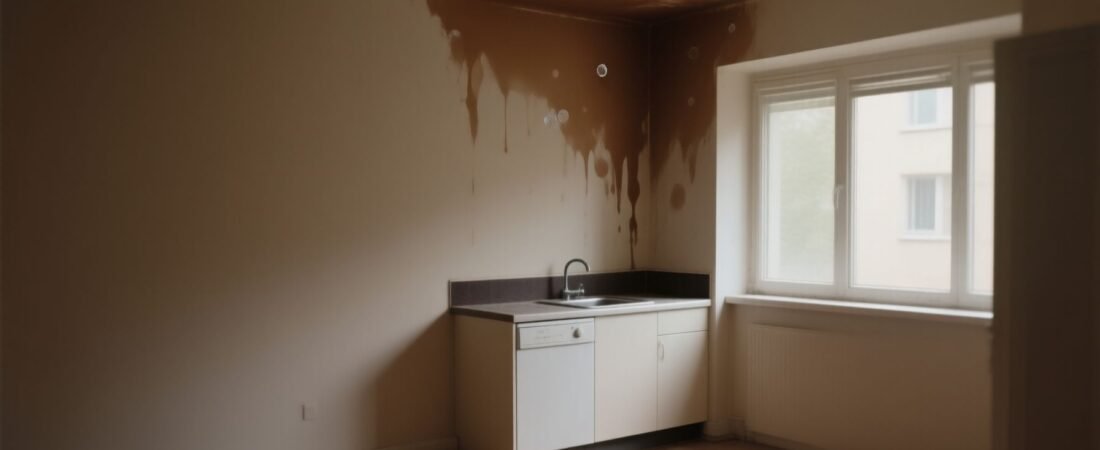
Quick Answer — It depends: Renters policies typically cover your belongings when water damage comes from a sudden, accidental leak, such as a burst pipe. They often exclude slow leaks, neglect, flood water and the building itself, so the cause, your policy wording and your deductible all matter.
Does renters insurance cover water damage when a pipe bursts or a supply line fails? Often it does for your belongings, as long as the leak was sudden and accidental. It gets murkier when the leak was slow, when outside water was involved, or when the damage is to the building. Here’s how those lines are usually drawn, who tends to pay when the leak starts somewhere else, and what to do in the first hours.
Is Water Damage From a Burst Pipe Covered by Renters Insurance?
Typically, a standard renters policy covers your personal belongings (furniture, clothes, electronics) when they’re damaged by certain listed causes, called “perils.” Water that escapes from a plumbing system or household appliance is commonly one of them. The phrase to look for is “sudden and accidental,” which means the water got out unexpectedly, like a pipe that bursts or a hose that splits.
What a renters policy generally doesn’t cover is the building. The walls, ceilings, built-in flooring and the pipes themselves usually belong to your landlord, and the landlord’s own property insurance typically deals with them. Exactly where that line falls depends on your lease and your policy wording, so treat this as a common pattern rather than a promise.

How Is a Sudden Leak Different From a Slow One?
Insurance is built to respond to unexpected events, not to maintenance problems. That’s why a pipe that bursts overnight is treated very differently from a drip that has been running under a sink for months. Slow, ongoing damage is often labeled “gradual” or “continuous seepage,” and many policies exclude it because it’s seen as something that could have been noticed and fixed earlier.
A leak hidden inside a wall may be viewed differently from a visible drip that went unreported, and the outcome depends on your policy’s exact wording and the facts of your situation. Here are some common reasons water claims get limited or denied.
- Leaks that continued for a long time, often described as gradual damage or repeated seepage.
- Wear and tear, rust, corrosion or deterioration of plumbing and fixtures.
- Flood water, surface water or water coming up from the ground, which standard policies typically exclude unless separate coverage is added.
- Sewer or drain backup, which is often excluded unless an add-on, called an endorsement, is attached to the policy.
- Neglect, such as ignoring a known leak or not taking reasonable steps to limit further damage.
- Conditions tied to freezing, since some policies expect the unit to be kept reasonably heated.
Who Pays When the Leak Starts in a Neighbor’s Unit or the Landlord’s Pipes?
For your own belongings, the cause of the water often matters more than whose pipe it was. If a pipe above you bursts suddenly and ruins your couch, your own renters policy typically looks at that loss using the same sudden-and-accidental idea. Your insurer may then try to recover its costs from whoever was responsible, but that depends on the facts, your state and the insurer’s practices.
The other direction matters too. If a leak you caused, like an overflowing tub or a washing machine hose, damages a neighbor’s unit, the liability part of your policy may respond. Liability coverage is the portion that can help when you’re legally responsible for someone else’s property damage or injury, and what it pays depends on your policy. Damage from something other than a leak, like a pet scratching or staining floors, follows different rules, which we cover in Does Renters Insurance Cover Pet Damage to Carpet and Floors?
| Situation | Typically covered? | What to check in your policy |
|---|---|---|
| A supply line bursts in your unit and soaks your furniture and electronics | Often covered for your belongings if the leak was sudden and accidental, after your deductible | Whether water from plumbing or appliances is a covered cause, and how belongings are valued |
| A neighbor’s pipe breaks above you and water ruins your belongings | Often covered for your belongings under your own policy; building repairs usually fall to the landlord’s side | The same cause wording, and whether your insurer may seek payment from the responsible party |
| A faucet drips for months and rots a cabinet and items stored beneath it | Often excluded as gradual damage, wear and tear or neglect | Exclusions for seepage and deterioration, plus any maintenance and reporting duties in your lease |
| Water enters from outside after heavy rain, or a drain backs up | Typically excluded under standard policies unless an endorsement was added | Wording on flood, surface water and sewer or drain backup |
What Costs Can a Renters Policy Pay for After a Leak?
After a covered leak, a renters policy typically helps in up to three ways. Personal property coverage pays toward damaged belongings, loss of use coverage may help with temporary housing and related extra costs if your unit can’t be lived in, and liability coverage may respond if you’re responsible for someone else’s damage.
Picture a tenant whose washing machine hose splits while they’re at work (this is an example, not a real case). The water ruins a rug and a laptop and drips into the unit below, so the tenant might look to belongings coverage for their own things and liability coverage for the neighbor’s ceiling. How much is paid depends on the limits, the deductible, and whether the policy pays replacement cost or actual cash value, which is the item’s worth after depreciation.
What Should You Do Right After a Pipe Leak?
Safety comes first. Water near outlets, a sagging ceiling or a smell of gas are reasons to leave and follow guidance from emergency services, your utility or a qualified professional.
Once the space is safe, a few habits protect a claim. A home inventory, meaning a list with photos of what you own, helps after any loss, and the same habit applies to the situations in Does Renters Insurance Cover Theft, Burglary and Robbery?
- Make the area safe. If it’s safe to do so, shut off the water at the valve; if water is near electricity or the ceiling looks unstable, leave and contact the right professionals.
- Tell your landlord or property manager promptly, ideally in writing, so there’s a record of when you reported it.
- Photograph and video the damage before moving things, and keep damaged items until your insurer says otherwise.
- Take reasonable steps to prevent more damage, such as moving belongings out of the wet area, and keep receipts for any temporary costs.
- Report the loss to your insurer, describe what happened accurately, and ask about next steps and any deadlines that apply to your policy.
Pro-Tip: Keep photos, receipts and your inventory somewhere that isn’t in the same unit, such as cloud storage, and read the “duties after a loss” section of your policy before you need it. Describe the damage as it actually is, since exaggerating or guessing at the timeline can hurt a legitimate claim.
When to Talk to Your Insurer, Agent or an Attorney:
- The water keeps spreading or returns after the first cleanup, because ongoing damage can change what’s covered and what you’re expected to do.
- You receive a denial or partial payment you disagree with. Ask your insurer to point to the policy wording it relied on, and a licensed attorney in your state can advise on your options.
- Your unit is unlivable or most of your belongings are lost, so you need to understand loss of use coverage and how to document a large claim.
- Someone was injured, or a neighbor’s unit was damaged by water from your unit, which raises liability questions.
- You and your landlord disagree about who is responsible for repairs, or the policy wording on seepage or sudden leaks is unclear to you.
Before a leak happens, open your policy and find the exclusions section, then look for any wording about water, seepage, flood and sewer backup. Write down your deductible and whether your belongings are valued at replacement cost or actual cash value. Keep that note with your insurer’s claims contact details, so you’re not searching for it with water on the floor.
Frequently Asked Questions
Does renters insurance cover water damage from a burst pipe?
Renters insurance typically covers your belongings when a pipe bursts suddenly and accidentally, such as damaged furniture, electronics, and clothing. Coverage usually depends on the cause of the leak and the terms of your policy. The pipes and the building itself are usually the landlord’s responsibility.
Does renters insurance cover flood damage?
Standard renters insurance usually does not cover flooding from outside sources such as heavy storms or overflowing rivers. A separate flood policy is often available for renters who want that protection. Sewer or drain backup is also often excluded unless you add an endorsement, but this depends on your policy and state.
Will renters insurance pay for a slow leak or mold?
Slow, ongoing leaks are often excluded because insurers typically treat them as a maintenance issue rather than a sudden accident. Mold coverage is usually limited and often depends on whether the mold came from a covered event. Reporting leaks to your landlord promptly may help, and your policy wording will explain what applies to you.
Does renters insurance pay for a hotel if a water leak makes my apartment unlivable?
Many renters policies include loss of use or additional living expense coverage. It can often help with temporary housing costs when a covered water event makes your home unlivable. The conditions and limits depend on your policy, so contact your insurer to confirm what yours includes.
Who pays for water damage in a rental, my renters insurance or my landlord’s insurance?
A landlord’s insurance typically covers the building structure, while renters insurance usually covers your personal belongings. If a neighbor or landlord caused the leak, liability coverage may sometimes come into play, depending on your policy and state. If you disagree with a claim decision, a licensed attorney or your state insurance department can help.
Where to Verify This for Your Own Situation
- Your own policy: the declarations page, the coverage forms and any endorsements are what actually decide a claim.
- Your insurer or licensed agent: ask for the answer in writing if it affects a major decision.
- Your state insurance department: the regulator for your state, through the National Association of Insurance Commissioners (NAIC) website.
- General consumer explanations: the Insurance Information Institute.
- Flood coverage: the National Flood Insurance Program (a separate policy from standard home or renters insurance).
Disclaimer: This article is general educational information, not insurance, legal, tax or financial advice, and it is not a statement about what your own policy covers or will pay. Coverage depends on your specific policy wording, endorsements, limits and deductibles, your insurer and your state, and on the facts and cause of each loss. Insurers decide claims based on your policy, so read it and confirm details with your insurer or a licensed insurance agent before you rely on anything here or file a claim. Covered or Excluded is not an insurance company, agent or broker, and we cannot review your policy or your claim. If you need legal advice about a denied claim, speak with a licensed attorney in your state. In an emergency, contact emergency services first.