
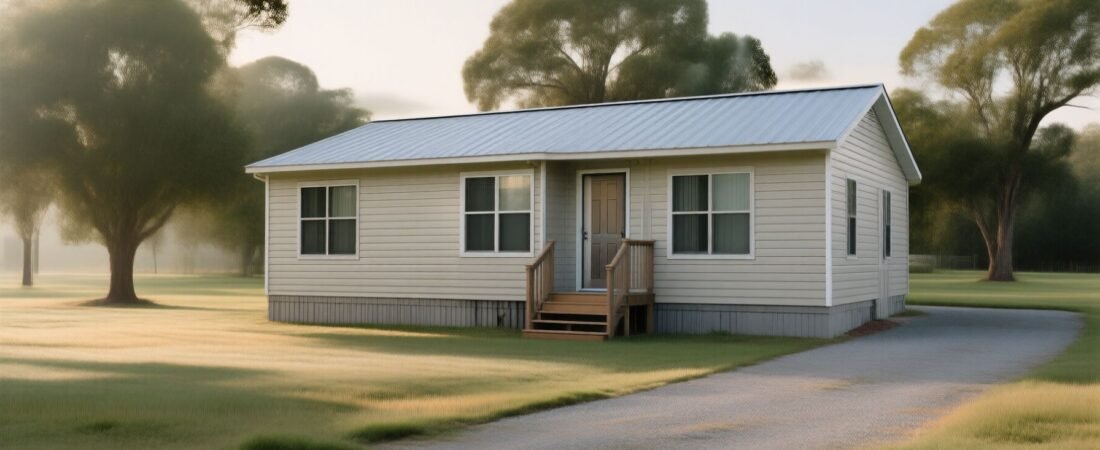
Quick Answer — It depends: Many insurers offer a homeowners-style policy written for manufactured homes, and it typically covers the home, your belongings and your liability. Whether you can get one, and what it pays for, depends on the home’s age and condition, where it sits, and your policy’s wording, endorsements and limits.
Can a manufactured home get the same kind of homeowners insurance as a site-built house, or is it a different product entirely? Often it’s a close cousin: a policy that bundles protection for the home, your belongings and your liability, but with its own underwriting questions and some different limits. Below, you’ll see what these policies typically cover, what they commonly exclude, how owning or renting the lot changes the picture, and what to do when damage happens.
Can You Get Homeowners Insurance for a Manufactured Home?
Often, yes, but it’s usually a policy designed for manufactured homes rather than a standard site-built form. A manufactured home is a house built in a factory and moved to its site. Many insurers offer specialized forms, while others may decline certain homes, so availability depends on the insurer and your state.
Why the difference? Insurers price risk based on how a home is built, how old it is, how it’s installed and where it sits, and manufactured homes may face different risks than site-built ones. You may be asked about the home’s age and condition, the roof, the skirting (the panels around the base), how the home is anchored, and any updates to plumbing, wiring or heating. What you’re asked, and how your answers affect eligibility and price, varies by insurer.
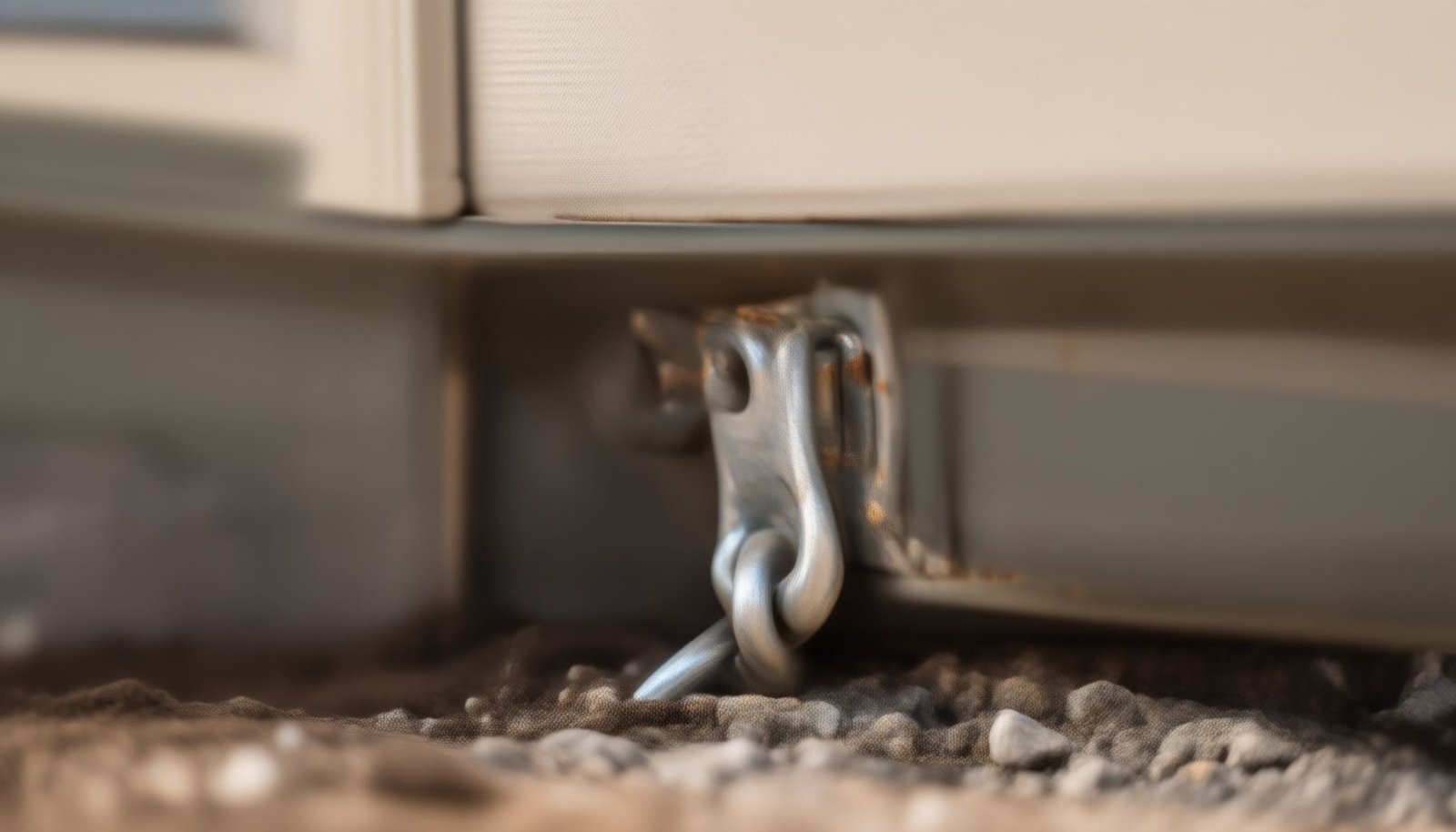
The image above gives a close-up look at the kind of exterior detail an insurer may ask about when a policy is set up.
What Does Homeowners Insurance for a Manufactured Home Typically Cover?
Policies for manufactured homes are typically built from the same parts as a standard homeowners policy. Dwelling coverage applies to the home itself. Other structures coverage applies to separate items such as a detached shed or fence. Personal property coverage applies to your belongings, liability coverage applies if someone is hurt or you damage someone else’s property, and loss of use (sometimes called additional living expenses) may help with temporary housing if a covered loss makes the home unlivable. Each part has its own limit, meaning the most the insurer will pay, which is listed on your declarations page, the summary sheet near the front of the policy.
Covered causes are a separate question from covered parts. Some policies list specific causes of loss, often called “named perils,” while others cover everything except what’s excluded. Many cover sudden, accidental damage from events such as fire, lightning, windstorm, hail and theft, but the exact list depends on your policy. Porches, carports, awnings and steps are where policies often differ, so how yours treats them depends on its wording and any endorsements (add-on changes to the policy).
| Situation | Typically covered? | What to check in your policy |
|---|---|---|
| Wind or hail damages the roof or siding | Often covered as sudden damage, though some policies treat older roofs differently or use a separate wind or hail deductible. | Your wind and hail deductible (the amount you pay before the insurer does), plus any wording about roof age or condition. |
| An attached porch, carport or awning is damaged | It depends. It may count as part of the home, as another structure, or carry its own limit. | How the policy defines the dwelling and other structures, and whether any special limits apply. |
| Rising flood water enters the home | Typically excluded from standard policies. Separate flood coverage may exist. | The policy’s definition of flood, and whether flood coverage is available to you separately. |
| A pipe under the home leaks slowly for months | Gradual damage is commonly excluded, while a sudden burst is more often covered. | Wording about continuous or repeated leakage, maintenance duties, and “sudden and accidental” loss. |
What Do Manufactured Home Policies Commonly Exclude or Limit?
Insurers exclude certain causes because they’re either too large and widespread to price into an ordinary policy, or they stem from upkeep rather than accidents. Flood and earthquake are the classic examples, since standard homeowners policies typically exclude them and coverage, where it’s offered, is usually bought separately. Renters run into the same flood-versus-water-damage line, which Does Renters Insurance Cover Flooding? (Flood vs. Water Damage) explains in more detail. Wear and tear and gradual damage are also commonly excluded, because a policy is designed for sudden and accidental loss, like a pipe that bursts overnight, not slow deterioration.
How the insurer values a loss matters just as much as what’s excluded. Some policies pay actual cash value, which is the replacement cost minus depreciation (the loss of value from age and wear), while others offer replacement cost, and older manufactured homes may be treated differently under either approach. Your policy states which method applies, and it can change how much a repair or replacement pays.
- Flood and surface water: typically excluded from standard policies, with separate coverage sometimes available depending on where you live.
- Earthquake and shifting ground: commonly excluded, and some policies also exclude settling or sinking of the ground under the home.
- Wear, tear and deterioration: a roof that’s simply reached the end of its life or a floor that’s slowly rotted is usually a maintenance issue, not an insured event.
- Neglect: damage that grows because a known problem wasn’t repaired may be limited or denied, depending on the wording.
- Vacancy: many policies limit certain coverages if a home sits empty for an extended period, and each policy defines “vacant” differently.
- Special limits on certain belongings: items like jewelry, firearms or cash often have lower sub-limits, meaning a smaller cap than your general belongings limit.
Does It Matter If You Own the Land or Rent the Lot?
It does, because insurance follows what you own and what you’re responsible for. If you own the home but rent the lot in a community, your policy is typically the one that protects the home itself, while the community’s owner often insures the land and shared areas. How those responsibilities are split depends on your lease and the community’s rules. If you rent the home from someone else, a renters policy typically covers your belongings, liability and loss of use, but not the structure, which is usually the landlord’s to insure.
Picture an owner with a financed manufactured home on a rented lot, where a windstorm tears off an attached awning and cracks a window. Whether the awning falls under dwelling or other structures coverage, and whether the lender or the community office needs to be told, depends on the policy and the paperwork. Whether coverage was required in the first place, by a lender or otherwise, is a separate question that Is Homeowners Insurance Required? (By Law and by Lenders) covers in more depth.
What Should You Do After Your Manufactured Home Is Damaged?
Start with safety. If there’s a gas smell, exposed wiring, standing water near electrical items, fire, or any sign the home has shifted, get everyone out and follow guidance from emergency services, the utility or a qualified professional before doing anything else. Damage can affect the frame, the supports and the utility connections, and a professional should decide whether it’s safe to go back in.
Once it’s safe, the goal is to protect your claim without overreaching. Most policies expect you to take reasonable steps to prevent further damage, and the steps below follow the usual pattern, though your policy sets the details and any notice deadlines.
- Make the area safe and keep people out of any part of the home that seems unstable or has utility hazards.
- Take photos and video of the damage as it stands, and write down each damaged belonging before you move or clean anything.
- Take reasonable temporary steps to stop more damage, such as covering a roof opening or shutting off water if it’s safe to do so, and keep every receipt.
- Contact your insurer or agent, and check your policy for how and when you need to give notice, since timing varies by policy and state.
- Ask the insurer before starting major permanent repairs, and consider getting written repair estimates.
Frequently Asked Questions
What does homeowners insurance for manufactured homes cover?
Homeowners insurance for manufactured homes typically covers the structure, your personal belongings, and liability if someone is injured on your property. It often covers damage from events like fire, theft, and certain types of storms, though covered events depend on your policy and state. Check your own policy to see exactly what is included and what is excluded.
Is insurance for a mobile home more expensive than for a traditional house?
It can be, but it depends on many factors. Insurers usually consider things like the home’s age, construction, location, and how it is anchored, along with the coverage and deductible you choose. The best way to know is to compare quotes from several licensed insurers or an independent agent.
Does manufactured home insurance cover wind and hurricane damage?
Coverage for wind damage often depends on your policy and where you live. In some areas, wind or hurricane damage may be handled by a separate deductible or a separate policy. Contact your insurer to confirm how storm damage is treated under your specific policy.
Do I need homeowners insurance if I own my manufactured home but rent the land?
Insurance is usually still a good idea, because the park owner’s coverage typically does not protect your home or belongings. If you have a loan on the home, your lender may also require coverage. A policy designed for manufactured homes often can be written for homes on rented lots, but this depends on the insurer and your state.
What can I do if my manufactured home insurance claim is denied?
Start by reading the denial letter and reviewing your policy to understand the reason given, then ask your insurer to explain or reconsider its decision. If you still disagree, your state insurance department can often explain your options for filing a complaint. A licensed attorney can help if you need advice about a specific dispute.
Where to Verify This for Your Own Situation
- Your own policy: the declarations page, the coverage forms and any endorsements are what actually decide a claim.
- Your insurer or licensed agent: ask for the answer in writing if it affects a major decision.
- Your state insurance department: the regulator for your state, through the National Association of Insurance Commissioners (NAIC) website.
- General consumer explanations: the Insurance Information Institute.
- Flood coverage: the National Flood Insurance Program (a separate policy from standard home or renters insurance).
Disclaimer: This article is general educational information, not insurance, legal, tax or financial advice, and it is not a statement about what your own policy covers or will pay. Coverage depends on your specific policy wording, endorsements, limits and deductibles, your insurer and your state, and on the facts and cause of each loss. Insurers decide claims based on your policy, so read it and confirm details with your insurer or a licensed insurance agent before you rely on anything here or file a claim. Covered or Excluded is not an insurance company, agent or broker, and we cannot review your policy or your claim. If you need legal advice about a denied claim, speak with a licensed attorney in your state. In an emergency, contact emergency services first.