
Quick Answer — Usually excluded: Standard renters policies typically exclude flood damage, meaning rising or surface water that comes in from outside, such as storm surge, an overflowing river or heavy runoff. Sudden water damage from a burst pipe or a failed appliance is often treated differently, so what applies to you depends on your policy wording, any added endorsements and your state.
This article explains how policies typically draw the line, where the gray areas are, and what you can check in your own paperwork before you need it.
Does Renters Insurance Cover Flooding From Storms and Rising Water?
Typically, no. In insurance language, a flood usually means water coming from outside the home: a river or creek overflowing, storm surge, or heavy rain that pools on the ground and moves inside. Standard renters policies commonly list that kind of water in their exclusions, which are the causes and situations the policy says it won’t pay for. The exact definition varies from one policy to the next, so the wording matters.
Why the exclusion? Flooding often hits many homes in the same area at the same time, and insurers commonly treat it as a separate risk that needs its own policy. Standard homeowners policies, which cover the building as well as belongings, typically take the same approach. Owners who wonder how coverage gets required in the first place can read about whether homeowners insurance is required by law or by lenders.

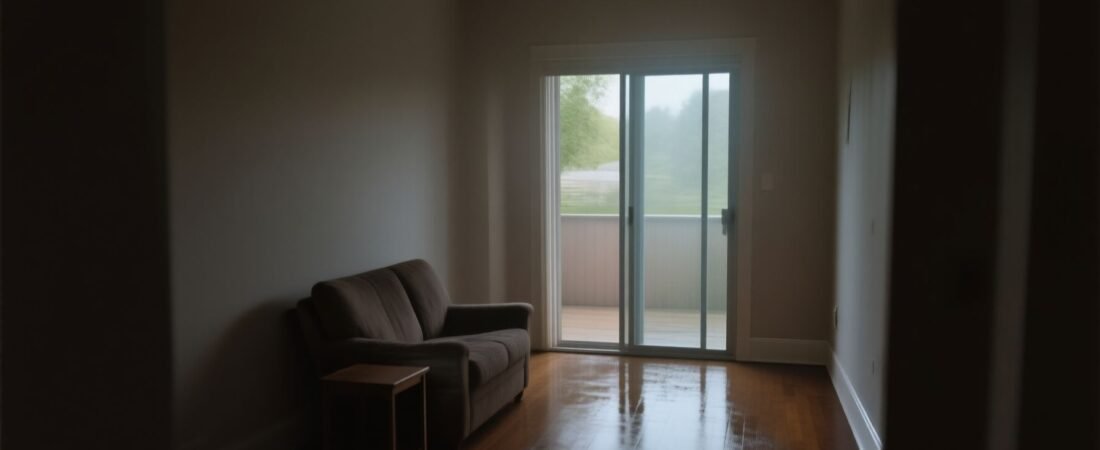
The image gives a close-up look at the kind of water damage this article is about.
Is Water Damage From a Burst Pipe or Leak Covered?
Water damage is a different category from flood, and the answer is often friendlier. Many standard policies cover sudden and accidental discharge, which means water that escapes suddenly and unexpectedly from plumbing, a water heater, a washing machine or a dishwasher. For a renter, that coverage usually applies to your belongings, not to the building itself.
Slow leaks, seepage over time and damage blamed on poor maintenance or wear and tear are commonly excluded, because insurance is designed for unexpected events rather than ongoing deterioration. Whether a leak counts as sudden or gradual can depend on the facts and on how your policy words it.
| Situation | Typically covered? | What to check in your policy |
|---|---|---|
| A washing machine hose suddenly bursts and soaks your belongings | Often covered for your belongings, if the cause is sudden and accidental | Whether the policy names water escaping from plumbing or appliances as a covered cause, and any exclusions for maintenance problems |
| A slow leak under the sink goes unnoticed for a long stretch | Often not covered | Wording about continuous or repeated seepage, gradual damage and wear and tear |
| Storm runoff or an overflowing river enters a ground-floor unit | Typically excluded | How the flood exclusion defines flood, and whether you hold a separate flood policy |
| A drain or sewer line backs up into a tub or floor drain | Often excluded unless an endorsement was added | Whether a water backup endorsement is attached, and what its limit and deductible are |
What About Sewer Backup, Roof Leaks and Other Gray Areas?
Sewer or drain backup is a classic gray area. Many policies exclude it by default but let you add it through an endorsement, which is an optional add-on that changes what the policy covers. Roof leaks are similar, since whether rain coming through a damaged roof is covered for your belongings often depends on how the policy words the cause.
- Water that rises or flows in from outside, such as overflowing rivers, storm surge or surface runoff.
- Sewer or drain backup, unless an endorsement specifically adds it.
- Groundwater seeping up through a floor or foundation, and sump pump overflow in many policies.
- Slow, ongoing leaks and damage that comes from lack of maintenance.
- Damage to the building itself, which is typically the landlord’s insurance question rather than your renters policy’s.
Here’s a hypothetical example. Picture a tenant in a ground-floor apartment after several days of heavy rain, when water from a flooded parking area seeps under the door and soaks the carpet and a couch. A claim like that often runs into the flood exclusion, because the water came from outside rather than from a pipe. If a supply hose had burst and soaked that same couch, the cause would be different, and the answer might be too.
Can Renters Buy Separate Flood Coverage, and What About the Landlord’s Insurance?
Renters can often buy a separate flood policy that covers their belongings, though availability, limits and start dates vary by insurer, program and location. These policies may not take effect right away, so the time to look into one is usually before heavy weather is in the forecast, not after.
Your landlord’s insurance typically covers the building, not your belongings, so it usually won’t replace your couch or laptop. Your renters policy may include loss of use, which helps with extra living costs when a covered event makes your home unlivable. It may also include personal liability, which can respond if you’re held responsible for damage to others, such as a neighbor’s unit below yours. Whether any of these parts apply after a flood depends on whether your wording excludes the cause.
What Should You Do Right After Water Gets Into Your Home?
Safety comes before paperwork. Water near outlets, appliances or a breaker panel, a smell of gas, or signs of structural trouble are reasons to get out and follow guidance from emergency services, your utility company or a qualified professional. Flood water in particular can carry hidden hazards, so don’t wade in to rescue belongings.
- Get to a safe place first, and don’t touch electrical equipment or wade through standing water if there’s any doubt about safety.
- If it’s safe to do so, stop the source (for example, shut off the water supply to a burst line), and tell your landlord or property manager promptly, ideally in writing.
- Take photos and video of the damage before you move or throw anything away, and keep damaged items if you can until your insurer says otherwise.
- Take reasonable steps to prevent further damage, and keep receipts for anything you spend doing so.
- Contact your insurer, ask how they classify the cause of the water, and write down the date, the person you spoke with and what was said.
Describe what happened and when in plain terms, say so when you don’t know the cause, and list only what was actually damaged. Insurers often investigate the source of the water, and an accurate, consistent account makes that process easier.
Pro-Tip: Make a home inventory now, while everything is dry. Walk through each room with your phone, record your belongings, and save the video somewhere other than your home, such as cloud storage. Then read the “exclusions” section of your policy once, with a highlighter, and look for the words flood, surface water, water backup and seepage.
When to Talk to Your Insurer, Agent or an Attorney:
- The damage keeps spreading, or the home may be unlivable. Your insurer or agent can explain how any loss of use coverage in your policy works.
- You’ve received a denial letter you disagree with. Ask the insurer to explain the specific policy wording it relied on, and know that a licensed attorney in your state can advise you on a denied claim.
- Most of your belongings are damaged or lost. Ask your insurer how it handles a total loss and what documentation it wants.
- Someone was injured, or water from your unit damaged a neighbor’s home. Contact your insurer about the liability part of your policy before you promise anything to anyone.
- The policy wording is unclear, or you and your landlord disagree about who is responsible for the building damage and repairs. An agent can help with the wording, and a licensed attorney or local tenant resource can advise on the dispute.
Pull out your renters policy today and find the exclusions section. Look for how it defines flood, whether water backup is mentioned, and what your deductible is, which is the amount you pay yourself before the policy pays on a covered claim. If the wording leaves you guessing, a short call to your agent or insurer now is easier than sorting it out in a wet apartment.
Frequently Asked Questions
Does renters insurance cover flooding?
Typically, a standard renters insurance policy does not cover damage from flooding caused by natural events such as heavy rain, overflowing rivers, or storm surge. Flood coverage is usually sold separately, so it depends on your policy and state. Check your policy or contact your insurer to confirm what is and isn’t included.
What is the difference between flood damage and water damage in renters insurance?
Water damage often refers to sudden, accidental events inside the building, such as a burst pipe or an overflowing appliance, which renters insurance may typically cover. Flood damage usually refers to water that enters from outside due to natural events, and it is often excluded from standard policies. How each term is defined depends on your policy and state.
Does renters insurance cover a burst pipe or plumbing leak?
Renters insurance often covers your belongings if a pipe bursts or a plumbing leak happens suddenly and accidentally. Damage from long-term leaks or poor maintenance may be treated differently and is often excluded. The details depend on your policy and state, so review your policy wording.
How can renters get flood insurance?
Renters can often buy a separate flood insurance policy that covers personal belongings, since the landlord’s policy typically covers only the building. Some insurers and government-backed programs may offer this type of coverage, though availability depends on where you live. Your insurance agent or insurer can usually explain what options are available to you.
What should I do if my renters insurance claim for water damage is denied?
Start by asking your insurer for the denial reason in writing and compare it with your policy wording. If you still disagree, you can often file an appeal or ask for a review. A licensed attorney or your state insurance department can help if you believe the claim was handled unfairly.
Where to Verify This for Your Own Situation
- Your own policy: the declarations page, the coverage forms and any endorsements are what actually decide a claim.
- Your insurer or licensed agent: ask for the answer in writing if it affects a major decision.
- Your state insurance department: the regulator for your state, through the National Association of Insurance Commissioners (NAIC) website.
- General consumer explanations: the Insurance Information Institute.
- Flood coverage: the National Flood Insurance Program (a separate policy from standard home or renters insurance).
Disclaimer: This article is general educational information, not insurance, legal, tax or financial advice, and it is not a statement about what your own policy covers or will pay. Coverage depends on your specific policy wording, endorsements, limits and deductibles, your insurer and your state, and on the facts and cause of each loss. Insurers decide claims based on your policy, so read it and confirm details with your insurer or a licensed insurance agent before you rely on anything here or file a claim. Covered or Excluded is not an insurance company, agent or broker, and we cannot review your policy or your claim. If you need legal advice about a denied claim, speak with a licensed attorney in your state. In an emergency, contact emergency services first.