
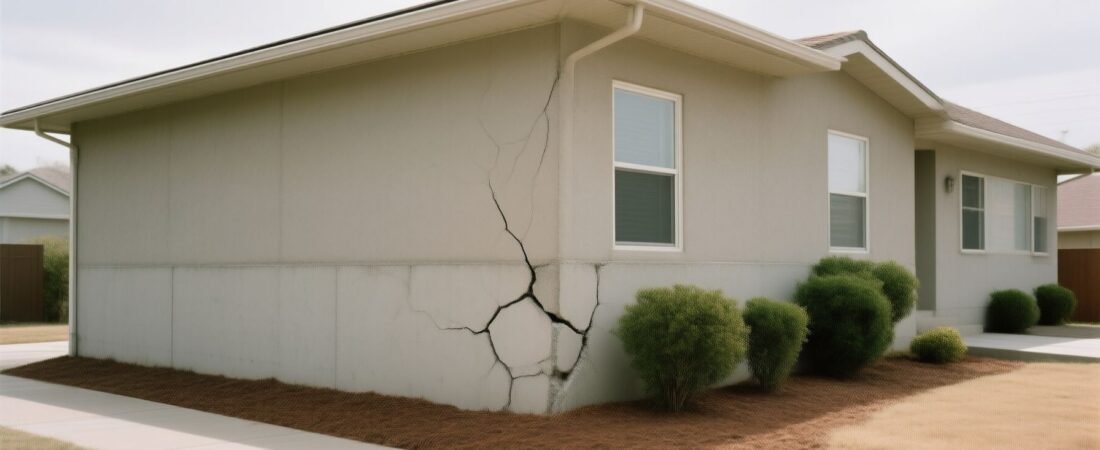
Quick Answer — It depends: Foundation repair is usually excluded when the damage comes from settling, shifting soil or gradual wear, but it may be covered when a sudden, accidental event listed in your policy caused it. Your policy wording, endorsements, deductible and state all affect the outcome.
Is that new crack in your foundation going to be your insurer’s problem or yours? Often it lands on the homeowner, because standard policies are built for sudden losses, not slow movement in the ground under your house. Still, the cause matters a great deal, and there are situations where a claim is worth looking into.
Below, we’ll walk through why insurers treat foundation problems the way they do, which causes are typically excluded, when coverage may apply, and what to do if you find damage. We’ll also cover what changes if you rent or carry separate flood or earthquake protection. We can’t see your policy, so think of this as a map of the usual patterns rather than an answer about your specific coverage.
Will Homeowners Insurance Cover Foundation Repair?
The foundation is part of the house, so it usually falls under dwelling coverage, the part of a homeowners policy that protects the structure itself. The real question is what caused the damage. Some policies cover only specific named causes, called perils, such as fire or windstorm. Others cover any cause that isn’t specifically excluded, and foundation damage often runs into those exclusions.
Insurers draw a line between “sudden and accidental” and “gradual.” Sudden and accidental means something unexpected happened at a specific time, like a pipe bursting or a vehicle hitting the house. Gradual means the damage built up slowly, like soil shifting or concrete deteriorating over many seasons. Policies are designed to pay for the first kind and typically leave the second to the homeowner as a maintenance issue, though the exact wording depends on your policy and state.

The close-up above shows the kind of detail worth photographing when you document a foundation concern.
Why Do Insurers Exclude Settling, Soil Movement and Cracks?
An exclusion is a part of the policy that says certain causes of damage aren’t covered, even if the result is costly. Foundation movement tends to be slow, tied to soil, climate, drainage and how the house was built. Insurers generally view that as a predictable condition of owning a home rather than a random accident, which is why several causes are commonly carved out.
- Settling or gradual cracking as the house and the soil beneath it adjust over time.
- Earth movement, a term that typically includes earthquakes and landslides. Sinkhole treatment varies by insurer, endorsement and state.
- Flood and surface water, which standard homeowners policies typically exclude and a separate flood policy may address.
- Wear and tear, deterioration or lack of maintenance, which can include long-running drainage problems around the house.
- Faulty design, materials or workmanship from the original construction or a past repair.
Exclusion wording isn’t identical from policy to policy, and this is where details matter. Some policies include “ensuing loss” language, which means that if an excluded cause leads to a separate covered type of damage, that second damage may still be considered. Whether that applies to your situation depends on your exact wording and how the insurer reads the facts.
When Might Foundation Damage Actually Be Covered?
Coverage becomes more plausible when a sudden event the policy covers damages the foundation. Examples might include fire, a vehicle striking the house, or a plumbing line that suddenly bursts and releases water. Even then, the insurer typically pays for damage from the covered event, up to your coverage limit, after you’ve paid your deductible, which is the share of a loss you cover yourself.
| Situation | Typically covered? | What to check in your policy |
|---|---|---|
| Slow cracking from soil settling or shifting | Usually excluded | Settling, earth movement and wear-and-tear wording |
| Sudden plumbing failure that damages the foundation | It depends; may be covered in some policies | Water damage wording, any limits on slab or foundation damage, and how the policy treats the cost of reaching the pipe |
| Flood water undermining or damaging the foundation | Typically excluded under a standard homeowners policy | Whether you carry a separate flood policy and what it says about foundations |
Here’s a hypothetical example. Picture a homeowner who notices a damp patch and a fresh crack in the floor after a water line under the slab suddenly fails. A plumber documents the failure, and the homeowner files a claim. Whether the policy pays for the foundation work, the pipe repair, both or neither depends on the water damage wording, any exclusions for the slab, and what the insurer concludes about the cause.
What Should You Do When You Find Foundation Damage?
Start with safety, then paperwork. Foundation problems can affect how stable the house is, and if electricity, gas or water is involved, the risks go up. These steps tend to help both your safety and any claim you decide to file.
- If you notice sudden bowing walls, large new gaps, a gas smell, or water pooling near electrical items, leave the area and contact emergency services, your utility or a qualified professional before doing anything else.
- Photograph and video the damage from several angles, and write down when you first noticed it as accurately as you can.
- If it’s safe, take reasonable steps to stop further damage, such as shutting off a leaking water supply, and keep your receipts.
- Ask a qualified professional, such as a structural engineer or foundation specialist, for a written opinion on what caused the problem.
- Read your policy’s exclusions and contact your insurer or agent to ask whether and how to file a claim.
- Hold off on permanent repairs until you’ve talked with your insurer, unless safety requires acting sooner.
If a covered loss makes the home unlivable, many homeowners policies include loss of use coverage, which may help with extra living costs while repairs happen. Our guide on whether renters insurance pays for a hotel explains the idea from a tenant’s side, and the homeowners version often works in a similar way. Limits, conditions and what counts as unlivable vary by policy.
Pro-Tip: Keep a dated record of your home’s condition before anything goes wrong, including photos of the foundation, plumbing invoices and drainage or maintenance receipts. If you ever file a claim, an honest timeline of when the damage appeared helps show whether it was sudden or gradual. Don’t guess or adjust the dates, because accurate documentation is what protects a legitimate claim.
What If You Rent, or Have a Flood or Earthquake Policy?
Renters policies typically cover a tenant’s belongings, liability and loss of use, but not the building itself. That means the foundation is usually the landlord’s concern and the landlord’s insurance, not yours. If repairs mean the power gets shut off, spoiled food is a separate question, which we cover in our guide to renters insurance, power outages and food spoilage.
For homeowners, flood and earthquake damage are the two big gaps. Standard policies typically exclude both, so protection usually comes from a separate flood policy or an earthquake endorsement, which is an add-on that changes your policy. Those products have their own terms, limits and deductibles, and what they say about foundation damage varies. Some insurers offer extra options in certain areas, but availability depends on the insurer and state.
When to Talk to Your Insurer, Agent or an Attorney:
- The damage keeps spreading, such as cracks widening or new ones appearing. Ask your insurer what they expect you to do to limit further harm.
- You received a denial letter you disagree with. Ask for the specific policy language behind it in writing, and know that a licensed attorney in your state can advise you on a denied claim.
- The wording on earth movement, water damage or “ensuing loss” is unclear to you. Your agent or insurer can explain what the words mean in your policy.
- The structure may be unsafe, someone has been hurt, or the home may be a total loss. Get to safety first, then contact your insurer about next steps.
- You rent and your landlord isn’t addressing a foundation problem. Review your lease, and consider asking a licensed attorney or a local tenant resource about your rights where you live.
Before you spend anything on a foundation contractor, pull out your policy and find the exclusions section. Look for the wording on settling, earth movement, water damage and wear and tear, and write down your deductible and coverage limit. With those notes in hand, your call to the insurer or agent will be much more useful.
Frequently Asked Questions
Will homeowners insurance cover foundation repair?
Homeowners insurance typically covers foundation repair only when the damage comes from a covered peril, such as a fire or a sudden and accidental event. It usually does not cover problems caused by gradual wear, poor construction, or normal settling. What is covered depends on your policy and state, so check your own policy or contact your insurer to confirm.
What type of foundation damage does homeowners insurance cover?
Coverage often applies when the damage results from a sudden event your policy names as covered, such as a fire or an unexpected plumbing leak. Some policies may also respond to damage from a vehicle striking the home. The exact list of covered perils depends on your policy and state.
Does homeowners insurance cover foundation cracks and settling?
Foundation cracks from settling, shrinking soil, or age are usually excluded because insurers often treat them as maintenance issues or wear and tear. Policies commonly list settling, cracking, and soil movement among their exclusions. Your policy wording will show how it treats these situations.
Is foundation damage from flooding or an earthquake covered by homeowners insurance?
Standard homeowners policies typically exclude damage from flooding and earth movement, including earthquakes. Coverage for those events is often available through a separate policy or an added endorsement. Ask your insurer or agent what you currently have and what options may be available.
What can I do if my insurance company denies my foundation repair claim?
Start by reading the denial letter carefully and comparing the reason given with your policy language. You can ask your insurer to explain its decision and provide any supporting documents it relied on, such as an engineer’s report. If you still disagree, a licensed attorney or your state insurance department can help you understand your options.
Where to Verify This for Your Own Situation
- Your own policy: the declarations page, the coverage forms and any endorsements are what actually decide a claim.
- Your insurer or licensed agent: ask for the answer in writing if it affects a major decision.
- Your state insurance department: the regulator for your state, through the National Association of Insurance Commissioners (NAIC) website.
- General consumer explanations: the Insurance Information Institute.
- Flood coverage: the National Flood Insurance Program (a separate policy from standard home or renters insurance).
Disclaimer: This article is general educational information, not insurance, legal, tax or financial advice, and it is not a statement about what your own policy covers or will pay. Coverage depends on your specific policy wording, endorsements, limits and deductibles, your insurer and your state, and on the facts and cause of each loss. Insurers decide claims based on your policy, so read it and confirm details with your insurer or a licensed insurance agent before you rely on anything here or file a claim. Covered or Excluded is not an insurance company, agent or broker, and we cannot review your policy or your claim. If you need legal advice about a denied claim, speak with a licensed attorney in your state. In an emergency, contact emergency services first.