
Quick Answer — It depends: Many renters policies include a coverage called loss of use, which may help pay extra living costs such as a hotel when a covered event makes your home unlivable. Whether it applies depends on what caused the damage, your policy wording, its limits, and your state.
Your apartment can’t be lived in tonight, and you’re standing outside wondering who pays for the hotel. So, does renters insurance cover temporary housing? Often it can, through a part of the policy called loss of use, but only in certain situations and only within the limits your policy sets. Below, we’ll walk through what triggers that coverage, what it usually pays for, when it typically doesn’t apply, and what to keep track of if you ever have to leave.
Does Renters Insurance Cover a Hotel Stay After a Fire or Other Damage?
Many standard renters policies include a section called loss of use, which some insurers label additional living expenses. It’s meant to help with the extra cost of living somewhere else while your home is unfit to live in. It sits alongside the coverage for your belongings and your personal liability, and it’s separate from the building itself, which typically belongs to your landlord’s insurance rather than yours.
Two things usually need to be true before it applies. First, the damage generally has to come from a covered peril, which is simply the insurance term for a cause of loss, like fire. Second, the home has to be unlivable, not just messy or inconvenient. Some policies may also respond when local authorities order you out because of a covered event nearby, but that wording varies, so this depends on your policy.

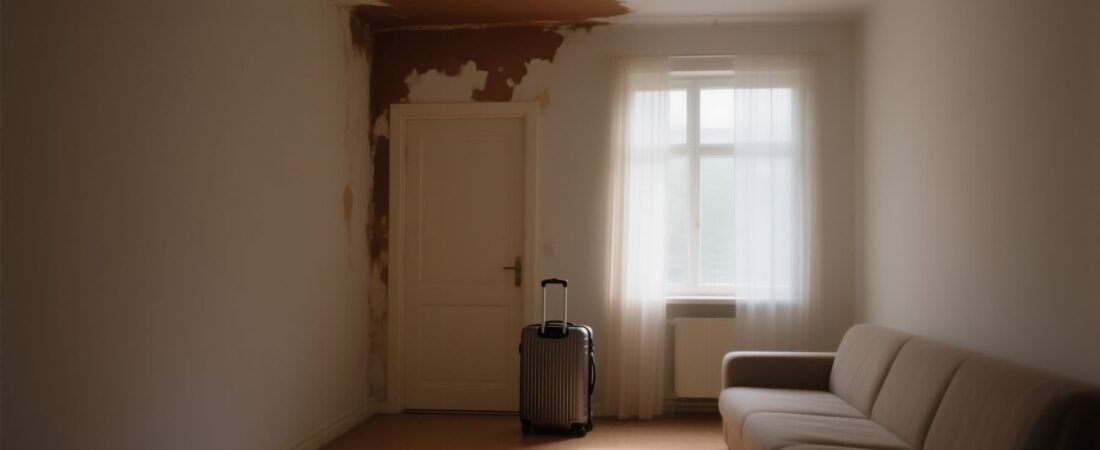
This close-up image is a reminder that the details in your loss of use section are worth reading closely.
What Does Loss of Use Coverage Actually Pay For?
The idea behind this coverage is to keep your life roughly where it was, not to upgrade it. So it typically focuses on the extra costs you face because you had to leave, such as a hotel or short-term rental, and sometimes higher food costs when you can’t use your own kitchen. Other displacement costs, like laundry or added travel, may or may not count, depending on how your policy is worded.
Here’s an example, and it’s purely hypothetical. Picture a tenant whose kitchen fire leaves the apartment full of smoke and without working utilities. An insurer may reimburse a reasonable version of those extras, usually with receipts, and only up to the policy’s limits and any time cap.
When Won’t Renters Insurance Pay for Temporary Housing?
The most common reason is that the underlying damage isn’t covered. Loss of use generally follows the rest of the policy, so if the cause is excluded, the hotel coverage typically doesn’t kick in either. An exclusion is a cause or situation the policy says it won’t pay for, and standard policies commonly list things like flood and earthquake. They also tend to exclude gradual damage, such as a slow leak or wear and tear, because insurers design coverage around sudden and accidental events rather than problems that build up over time.
The second common reason is that the home is still considered livable. Insurers tend to ask whether you can reasonably stay there, not whether staying is pleasant. Pest problems are a good example, since many policies treat infestations as excluded, as we explain in Does Renters Insurance Cover Bed Bugs?, and that often means related hotel costs aren’t paid either.
- The damage came from an excluded cause, such as flood or earthquake in many standard policies, unless you added separate coverage.
- The problem developed gradually, like a long-term leak, ongoing moisture or wear and tear, rather than suddenly.
- You could still live in the home, even if it was noisy, unpleasant or under repair.
- The costs were ones you’d have had anyway, such as your normal rent, usual groceries or regular utilities, since these policies generally focus on the extra expense.
- You reached a dollar or time limit in the policy, or the home was repaired and ready to live in again.
- The expenses went well beyond your usual standard of living or weren’t backed by receipts.
| Situation | Typically covered? | What to check in your policy |
|---|---|---|
| A kitchen fire makes the apartment unlivable | Often yes, if fire is a covered cause under your policy | Your loss of use limit, any time cap, and how the policy defines “unlivable” |
| Rising water from outside enters the home | Often no under standard policies, since flood is commonly excluded | The flood exclusion, and whether you have separate flood coverage or an endorsement (an add-on to the policy) |
| A slow leak behind a wall is found after months | Often no, because gradual damage is commonly excluded | Exclusions for continuous seepage, wear and tear, and maintenance issues |
| The home is livable but loud, dusty or under repair | Usually no, because the home isn’t considered unfit to live in | How your policy describes when loss of use applies |
What Should You Do Right After You Have to Leave Your Home?
Safety comes before any paperwork. If there’s been a fire, a gas smell, electrical damage, flood water or structural damage, follow the guidance of emergency services, your utility company or a qualified professional, and don’t go back inside until they say it’s safe. We’re not safety experts, and no insurance claim is worth a risk to you or anyone else.
Once everyone is safe, the claim steps matter. Policies usually expect prompt notice, and the exact deadlines and documentation rules vary by policy and state, so ask your insurer rather than guess. Stick to the facts and keep records honest, since accurate documentation is what protects a claim.
- Get everyone, including pets, to a safe place and follow the instructions of emergency responders.
- Contact your insurer or agent as soon as you reasonably can, and ask how loss of use works under your policy, including limits, time caps and whether they want to approve lodging first.
- When it’s safe, take photos or video of the damage and note why the home can’t be lived in, such as no power, no water or heavy smoke.
- Keep every receipt for lodging, meals and other extra costs, along with a record of what you’d normally spend.
- Tell your landlord in writing and save any reply about repairs, timing and your lease.
Pro-Tip: Keep a simple running log in a notes app or notebook, with the date, what changed, and what you spent. Save it with your receipts and your normal monthly costs, because extra expenses are much easier to show when you can also show your baseline. Read your policy’s loss of use section before you ever need it, so the wording isn’t new to you on a stressful day.
Does Your Landlord or a Homeowners Policy Change the Answer?
For renters, it helps to remember who insures what. Your policy typically covers your belongings, your liability and loss of use, while your landlord’s policy typically covers the building. A landlord’s insurance generally isn’t designed to pay for a tenant’s hotel, though what a landlord owes you for rent or housing when a unit is unlivable depends on your lease and your state, so a local tenant resource or a licensed attorney can speak to that.
Homeowners policies are built differently. They typically cover the structure, other structures like a detached garage, belongings, liability and loss of use, and the loss of use part may also address rental income if you rent out part of your home. The limit is often linked to other coverage amounts you choose, and those choices also feed into how much homeowners insurance costs, but the details vary by insurer and state.
When to Talk to Your Insurer, Agent or an Attorney:
- The damage keeps spreading, such as an ongoing leak or lingering smoke, while you’re away. Tell your insurer promptly and ask what steps you’re expected to take to prevent further damage.
- You receive a denial letter you disagree with. Ask for the specific policy language behind the decision, and know that a licensed attorney in your state can advise you on your options.
- Your home is a total loss and you can’t return. Ask how long loss of use coverage lasts and how it fits with your belongings claim.
- Someone was injured, or another person’s property was damaged. Ask your insurer how the liability part of your policy may apply.
- The policy wording is unclear, or you and your landlord disagree about repairs, rent or the lease. Get answers in writing and consider consulting a licensed attorney.
Before anything goes wrong, pull up your policy and find two spots: the loss of use (or additional living expenses) section and the exclusions list. Write down your coverage limit, any time cap, and your deductible, which is the amount you pay before the insurer starts paying. Then save a copy somewhere you can reach from your phone, so you’re not hunting for it while standing outside your front door.
Frequently Asked Questions
Does renters insurance cover temporary housing if my apartment is damaged?
It often does, but it depends on your policy and state. Most renters policies include a coverage called loss of use (sometimes called additional living expenses) that typically helps with extra costs when a covered event makes your home unlivable. Check your own policy or contact your insurer to confirm what is included.
Does renters insurance pay for a hotel after a fire?
A fire is usually one of the covered events that can trigger loss of use coverage, so hotel costs are often reimbursed. What your insurer actually pays typically depends on your policy terms, your coverage limits, and whether the stay is considered a reasonable extra expense. It’s a good idea to keep your receipts and ask your insurer how claims are handled.
What is loss of use coverage on a renters insurance policy?
Loss of use coverage typically helps pay the added costs of living somewhere else while your rental can’t be lived in because of a covered loss. These costs may include a hotel or short-term rental and sometimes other increased living expenses, depending on your policy. The exact wording varies, so read the section of your policy that describes this coverage.
What situations won’t renters insurance pay for a hotel?
Coverage usually depends on whether the cause of the damage is a covered event under your policy. Damage from causes your policy excludes may not qualify for temporary housing help, and some policies treat certain events differently. Your policy’s exclusions section and your insurer can tell you what applies to your situation.
What can I do if my insurer denies my temporary housing claim?
You can usually start by asking your insurer for the denial in writing and reviewing the policy language it relies on. If you still disagree, your state insurance department can often explain your options and take complaints. A licensed attorney can also help if you want legal advice about a dispute.
Where to Verify This for Your Own Situation
- Your own policy: the declarations page, the coverage forms and any endorsements are what actually decide a claim.
- Your insurer or licensed agent: ask for the answer in writing if it affects a major decision.
- Your state insurance department: the regulator for your state, through the National Association of Insurance Commissioners (NAIC) website.
- General consumer explanations: the Insurance Information Institute.
- Flood coverage: the National Flood Insurance Program (a separate policy from standard home or renters insurance).
Disclaimer: This article is general educational information, not insurance, legal, tax or financial advice, and it is not a statement about what your own policy covers or will pay. Coverage depends on your specific policy wording, endorsements, limits and deductibles, your insurer and your state, and on the facts and cause of each loss. Insurers decide claims based on your policy, so read it and confirm details with your insurer or a licensed insurance agent before you rely on anything here or file a claim. Covered or Excluded is not an insurance company, agent or broker, and we cannot review your policy or your claim. If you need legal advice about a denied claim, speak with a licensed attorney in your state. In an emergency, contact emergency services first.