
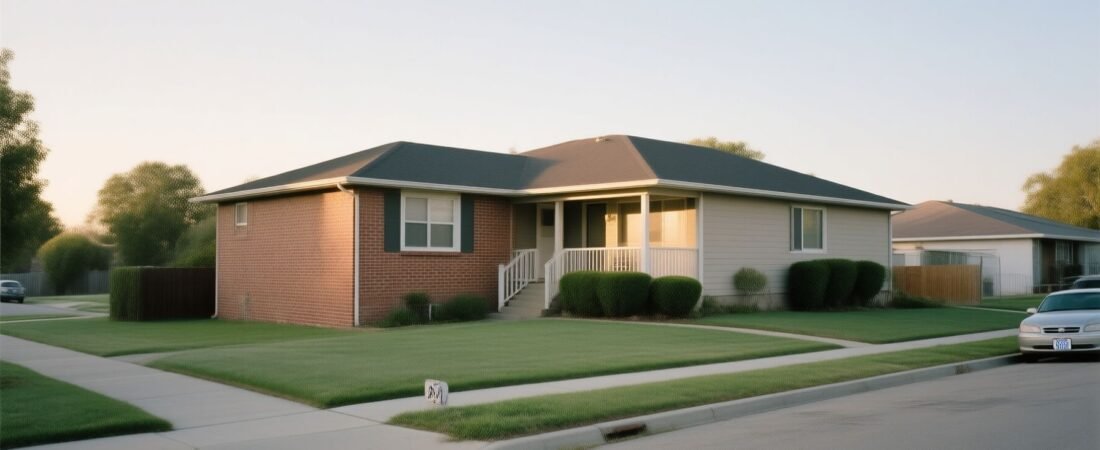
Quick Answer — It depends: The main difference is what’s being insured. Homeowners insurance typically covers the building you own plus your belongings and liability, while renters insurance typically covers only your belongings and liability, not the building. What your own policy actually pays depends on its wording, endorsements, limits and your state.
Is a renters policy just a smaller version of a homeowners policy? Not quite, because the two are built around different things. Homeowners insurance starts with a building you own, while renters insurance starts with the belongings you keep inside a place you don’t. Below, you’ll see how that difference plays out in coverage, repairs, exclusions and choosing between the two.
What Is the Primary Difference Between Homeowners Insurance and Renters Insurance?
The primary difference is the building. A homeowners policy typically covers the structure itself, meaning the walls, roof, floors and built-in systems, along with your belongings and your liability. A renters policy typically covers only your belongings and your liability, because you don’t own the structure and your landlord is generally the one who insures it.
That split follows a simple idea: insurance is meant to protect your own financial stake in something. Owners have a stake in the building, so their policy includes it. Tenants have a stake in their belongings and in what they might owe someone else, so theirs doesn’t. How a specific loss is handled still depends on your policy wording, your endorsements (add-ons that change what a policy covers), your limits and your state.
This close-up image accompanies the comparison of the two policy types.
What Does Each Type of Policy Typically Cover?
Homeowners policies are usually organized into a few parts. Dwelling coverage applies to the house, and other structures coverage applies to things like a detached garage or a fence. Personal property coverage applies to your belongings, loss of use coverage helps with extra living costs if a covered loss makes the home unlivable, and liability coverage applies if you’re found responsible for injuring someone or damaging their property.
Renters policies typically keep the last three of those and leave out the first two. So you’d usually see personal property, loss of use and liability, without dwelling or other structures coverage.
| Situation | Typically covered? | What to check in your policy |
|---|---|---|
| A covered event damages the walls, ceiling or roof of the building | Homeowners: typically yes, for the owner’s dwelling. Renters: typically no, since the building is the landlord’s responsibility. | Dwelling coverage, the list of covered causes, and your deductible. For tenants, the lease. |
| A covered event damages a detached garage or fence | Homeowners: often yes, under other structures coverage. Renters: typically no. | Whether other structures coverage exists and what it’s limited to. |
| A covered event damages your furniture, clothing or electronics | Both: typically yes, if the cause is covered. | Your personal property limit, any special limits, and replacement cost versus actual cash value. |
| A visitor is hurt and you’re found responsible | Both: liability coverage typically applies, with exceptions. | Your liability limit, medical payments coverage, and the exclusions. |
Who Pays When the Building Itself Is Damaged?
Here’s a hypothetical example. Picture a tenant whose apartment gets smoke damage after a kitchen fire in the unit next door. Repairs to the building typically fall to the landlord and the landlord’s insurance, while the tenant’s renters policy typically responds to belongings like clothes, furniture and a laptop, subject to covered causes, the deductible and the limits.
Now swap in a homeowner. In that case, one policy typically handles both the building repairs and the belongings, which is convenient but also means the owner manages the claim, the contractors and the deductible. Whichever side you’re on, a few steps tend to help after damage:
- Put safety first. If there’s fire, smoke, flood water, a gas smell, electrical trouble or structural damage, follow the guidance of emergency services, the utility or a qualified professional before thinking about the claim.
- Photograph or film the damage where it’s safe to do so, and hold on to damaged items until your insurer tells you what it needs.
- Tell the right people. Tenants typically report building damage to the landlord and belongings losses to their own insurer, while owners typically contact their own insurer.
- Take reasonable steps to keep the damage from getting worse, such as covering a broken window, since many policies expect this, and keep your receipts.
- Read the policy sections on covered causes, deductible and limits, and keep notes on who you spoke with and when.
Pro-Tip: Walk through your home once with your phone camera, opening closets and drawers and saying out loud what you see. Store the video somewhere outside the home, such as cloud storage. Honest, dated records of what you actually own make it easier to describe a loss accurately, and you should only ever record what’s real.
What Do Homeowners and Renters Policies Commonly Exclude?
Both policy types are generally written for sudden and accidental losses, meaning damage that happens abruptly and unexpectedly rather than slowly over time. Insurers typically exclude certain causes because they’re either so widespread that they’re usually handled through separate coverage, or because they come from ordinary upkeep and aging rather than a surprise. Exactly which exclusions apply depends on your policy form, your endorsements and your state.
Many of the same exclusions show up in both policy types, but who runs into them differs. An owner faces them for the building and the belongings, while a tenant mostly faces them for belongings. Electrical damage is a good example of where the wording matters, and Does Renters Insurance Cover Power Surge Damage? looks at how that question tends to play out for tenants. Common exclusions and limits include:
- Flood and earthquake damage, which standard policies typically exclude and which often require separate coverage.
- Wear and tear, deterioration and damage from neglected maintenance.
- Gradual damage, such as a slow problem that goes on for a long time before anyone notices it.
- Intentional damage or fraud, meaning harm caused on purpose or a claim that isn’t truthful.
- Categories with special limits, such as jewelry or cash, where a lower cap often applies unless you’ve added extra coverage.
Which Policy Fits Your Situation: Owning or Renting?
Usually, your relationship to the building decides it. If you own the home, a homeowners policy is the typical fit, and if you rent it, renters insurance is. Condo owners, landlords and people in mobile or manufactured homes often need variations, which are separate topics, and a mortgage lender or a lease may set its own insurance requirements.
If you’re buying a home, How to Buy Homeowners Insurance (Step by Step) covers the process in more detail. On either side, you can compare policies using the same few questions: what’s covered, which causes are excluded, what the deductible is, what the limits are, and whether belongings are paid at replacement cost or actual cash value. The answers vary by insurer and state, so they’re worth reading in the policy itself rather than assuming.
When to Talk to Your Insurer, Agent or an Attorney:
- Damage that keeps spreading or getting worse after the event. Many policies expect you to take reasonable steps to limit further harm, and your insurer can explain what that means for your claim.
- A denial letter you disagree with. Ask the insurer to point to the specific policy language it relied on, and if you’re still unsure, a licensed attorney in your state can advise you on your options.
- A total loss, where the home or unit is unlivable or most belongings are gone. Ask about loss of use coverage, how belongings are valued, and what documentation the insurer needs.
- An injury to a guest, neighbor or visitor. Tell your insurer promptly rather than settling it informally, since liability terms and notice requirements vary by policy.
- A dispute with your landlord over who pays for repairs or lost belongings. Your agent can explain your policy, but the lease and state law matter too, and an attorney can advise you on your rights.
Your own policy is the only document that can tell you what’s actually covered. Find the exclusions section and read it once, then write your deductible and your personal property and liability limits on a note you can find quickly. If anything is unclear, ask your agent or insurer to explain it before you need to file a claim.
Frequently Asked Questions
What is the primary difference between homeowners insurance and renters insurance?
Homeowners insurance typically covers the physical structure of the home, along with personal belongings and liability. Renters insurance usually covers only your belongings and liability, because the landlord often insures the building itself. The exact coverage depends on your policy and state.
Does renters insurance cover the building I live in?
Usually, no. The landlord’s policy typically covers the building, while renters insurance is meant for your own belongings and certain liability situations. A landlord’s policy often does not cover a tenant’s personal property, so it helps to ask your landlord what their policy includes.
Is renters insurance cheaper than homeowners insurance?
Renters insurance is typically less expensive because it usually covers less than a homeowners policy, which often includes the structure. Actual costs often depend on your location, coverage limits, deductible, and the insurer. Getting quotes for both types of coverage is a practical way to compare.
Does renters insurance cover my roommate’s belongings?
Often, a renters policy covers only the people named on it, so a roommate may need their own policy or may need to be added to yours. This usually depends on the insurer and the terms of your policy. Check your policy or contact your insurer to find out how roommates are treated.
Do homeowners and renters insurance cover floods and earthquakes?
Standard homeowners and renters policies often exclude flood and earthquake damage, though separate coverage may be available. What is included depends on your policy and state. If a claim is denied and you disagree, your state insurance department or a licensed attorney can help.
Where to Verify This for Your Own Situation
- Your own policy: the declarations page, the coverage forms and any endorsements are what actually decide a claim.
- Your insurer or licensed agent: ask for the answer in writing if it affects a major decision.
- Your state insurance department: the regulator for your state, through the National Association of Insurance Commissioners (NAIC) website.
- General consumer explanations: the Insurance Information Institute.
- Flood coverage: the National Flood Insurance Program (a separate policy from standard home or renters insurance).
Disclaimer: This article is general educational information, not insurance, legal, tax or financial advice, and it is not a statement about what your own policy covers or will pay. Coverage depends on your specific policy wording, endorsements, limits and deductibles, your insurer and your state, and on the facts and cause of each loss. Insurers decide claims based on your policy, so read it and confirm details with your insurer or a licensed insurance agent before you rely on anything here or file a claim. Covered or Excluded is not an insurance company, agent or broker, and we cannot review your policy or your claim. If you need legal advice about a denied claim, speak with a licensed attorney in your state. In an emergency, contact emergency services first.