
Quick Answer — It depends: You typically get homeowners insurance by gathering details about your home, comparing quotes from several sources, choosing coverage limits and a deductible, and then applying. What you can buy, and on what terms, depends on your home, your location, your lender’s requirements and each insurer’s own rules.
Where do you even begin when a closing date is on the calendar and your lender wants proof of coverage? The short version: collect the facts about the house, compare a few quotes, pick your limits and your deductible (the amount you pay yourself before the insurer pays on a covered claim), and read what you’re actually buying. This guide walks through each step and points out where policies, states and lenders tend to differ.
What Should I Know Before I Start Shopping for Homeowners Insurance?
A homeowners policy is a contract that typically protects several things at once. Those are the house itself, other structures such as a detached garage or fence, your belongings, your liability if someone is hurt on your property, and extra living costs if a covered loss makes the home unlivable (often called loss of use). How each piece works depends on your policy wording, your endorsements (add-on changes to the standard policy) and your state.
It also helps to know what the policy is designed to do. It’s built mainly for sudden, accidental losses, not as a maintenance plan, which is why insurers commonly exclude wear and tear and slow-developing damage. Understanding that before you shop can keep you from comparing quotes on price alone and missing a gap.

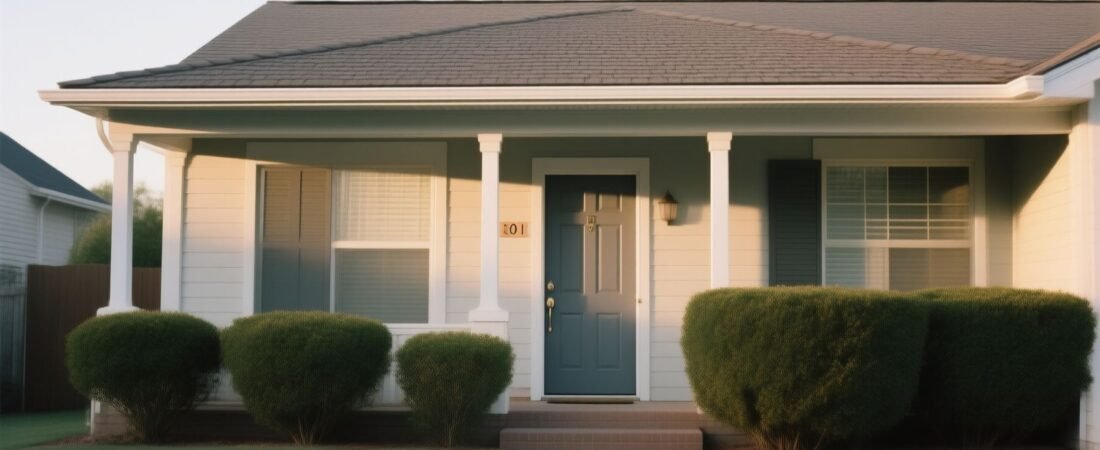
The close-up above is a reminder that the small details in a policy matter as much as the headline price.
What Are the Steps to Get Homeowners Insurance?
Buying a policy mostly means doing a few things in a sensible order, and starting early helps because lenders typically want proof of coverage before closing. You can often work with an independent agent who offers several insurers, an agent who represents one insurer, or contact insurers directly. Which route suits you depends on how much help you want and which insurers operate in your state.
- Gather details about the home. Insurers typically ask for the address, the year it was built, its size and construction type, the age of the roof, and the condition of the plumbing, electrical and heating systems. They ask because these details affect how likely, and how costly, a claim may be.
- Sketch out what you want. Think about how much it would cost to rebuild, how much protection you want for your belongings, how much liability protection feels right, and what deductible you could realistically pay out of pocket.
- Ask for quotes from several sources. Give each one the same information and the same limits so the comparison is fair. A quote is an estimate, and it may change once the insurer verifies details about your home.
- Read the details, not just the price. Look at what each quote includes, the deductibles (some areas have separate ones for certain storm damage), the exclusions and any endorsements. Two quotes with similar prices can protect you very differently.
- Apply, answer honestly and get proof of coverage. Pay the first premium (the price of the coverage, billed on whatever schedule your insurer sets), then ask for written proof you can pass to your lender if you have one.
If an application asks something you can’t answer, say so and find out rather than guessing, because inaccurate answers may cause problems with a later claim.
How Do I Compare Coverage Limits and Deductibles Between Quotes?
Every quote has a coverage limit (the most the insurer typically pays for a category), a deductible, and a method of valuing losses. Replacement cost typically pays to repair or replace with similar materials without subtracting for age, while actual cash value subtracts depreciation, meaning the loss in value from age and wear. Which method applies to the house and to your belongings may differ within the same policy, so check both.
Here’s a hypothetical example. Picture a buyer who sets the dwelling limit at the purchase price because it’s a familiar number. Purchase price often reflects land and location, which aren’t what you’d rebuild, so it may not match actual rebuilding costs, and an agent or insurer can help you estimate a better figure. A higher deductible often lowers the premium but leaves more for you to pay after a loss, so choose one you could actually cover.
What Won’t a Standard Homeowners Policy Cover?
Standard policies typically exclude certain causes of loss, often because they’re widespread, gradual or considered the owner’s maintenance responsibility. Flood and earthquake, for example, are commonly handled by separate policies or endorsements rather than the base policy. Whether you can add that protection, and from whom, depends on where you live and the insurer.
- Flood: rising water from outside, such as an overflowing river or storm surge, is typically excluded from a standard policy, and separate flood coverage may be available.
- Earthquake and earth movement: these are commonly excluded and often need their own policy or endorsement.
- Wear, tear and gradual damage: rust, rot, deterioration and slow leaks are commonly excluded because they develop over time rather than suddenly.
- Neglected maintenance: damage that traces back to a problem that was left unrepaired may be limited or excluded.
- High-value items: jewelry, collectibles and similar belongings often have a lower cap than your overall belongings limit, so ask about it.
The line between sudden and gradual matters a great deal, and our guide on how water damage is treated, sudden versus gradual, goes deeper. Roughly, a pipe that bursts overnight is viewed differently from a hidden drip that went unnoticed for months. The outcome still depends on your policy wording and the facts of the loss.
| Situation | Typically covered? | What to check in your policy |
|---|---|---|
| A pipe bursts suddenly and soaks a room | Often covered when the damage is sudden and accidental | The water damage wording, any exclusions, and your deductible |
| A slow leak under a sink goes unnoticed for a long time | Often excluded or limited | How the policy defines gradual damage, seepage and maintenance duties |
| A river overflows into the ground floor | Typically excluded from a standard policy | Whether separate flood coverage is available and how it starts |
What Happens After I Choose a Policy?
If you have a mortgage, your lender typically wants proof of coverage and may be listed on the policy as the mortgagee, meaning the lender with a financial interest in the home. Many lenders collect part of the insurance cost with your monthly payment and pay the insurer for you, and how escrow handles insurance payments is worth a read, though the setup depends on your loan.
When the policy arrives, read the declarations page, which is the summary listing your coverages, limits, deductible and endorsements. Then read the exclusions section and ask about anything unclear. Mistakes in names, addresses or listed details are usually easier to fix early, so check them right away.
Pro-Tip: Save a digital copy of the full policy and the declarations page, and photograph each room and the exterior soon after you move in. Keep receipts for larger purchases too. Dated, honest records may make a future claim easier to document, so record only what’s real.
When to Talk to Your Insurer, Agent or an Attorney:
- Your lender’s insurance requirements, or the proof it asks for, don’t make sense to you. Ask the lender and your agent, and get the answers in writing.
- An insurer declines to cover the home, or you’re struggling to find a company willing to. An independent agent or your state’s department of insurance may be able to explain your options.
- Wording on flood, water damage or high-value items is unclear. Ask your agent to explain it in writing before you buy.
- You’re unsure whether to add flood or earthquake protection for your area, since availability and terms vary by state and insurer.
- A future claim is denied and you disagree. Ask for the reasons in writing, and a licensed attorney in your state can advise you on your options.
Once you have a quote or a policy in hand, open it to the exclusions section and read it slowly. Then write your deductible and each coverage limit on a single page, along with any questions to take to your agent.
Frequently Asked Questions
How do I get homeowners insurance for the first time?
You typically start by gathering details about your home, such as its age, size, and construction type, then requesting quotes from several insurers or an independent agent. Once you pick a policy, you usually complete an application and arrange payment so coverage can begin. The exact steps often depend on your insurer and state.
What do I need to get a homeowners insurance quote?
Insurers usually ask for your address, details about the home’s age, size, and roof, and information about any updates to major systems. They often ask about your claims history and safety features too. The specific details requested can vary by insurer.
When should I buy homeowners insurance when purchasing a home?
It is typically best to shop for coverage before closing, since mortgage lenders often require proof of insurance before they finalize the loan. Starting early usually gives you time to compare quotes and ask questions. Your lender or real estate agent can tell you what is required in your situation.
How much homeowners insurance coverage do I need?
Coverage needs often depend on what it would cost to rebuild your home, the value of your belongings, and how much liability protection you want. Lenders may also set minimum requirements. An agent or your insurer can usually help you estimate appropriate limits for your home.
What should I check before I sign a homeowners insurance policy?
Review the coverage limits, deductibles, exclusions, and any optional add-ons, since many policies do not cover certain events unless you add extra protection. What is and is not covered depends on your policy and state. Read your policy carefully and contact your insurer or agent with any questions before you commit.
Where to Verify This for Your Own Situation
- Your own policy: the declarations page, the coverage forms and any endorsements are what actually decide a claim.
- Your insurer or licensed agent: ask for the answer in writing if it affects a major decision.
- Your state insurance department: the regulator for your state, through the National Association of Insurance Commissioners (NAIC) website.
- General consumer explanations: the Insurance Information Institute.
- Flood coverage: the National Flood Insurance Program (a separate policy from standard home or renters insurance).
Disclaimer: This article is general educational information, not insurance, legal, tax or financial advice, and it is not a statement about what your own policy covers or will pay. Coverage depends on your specific policy wording, endorsements, limits and deductibles, your insurer and your state, and on the facts and cause of each loss. Insurers decide claims based on your policy, so read it and confirm details with your insurer or a licensed insurance agent before you rely on anything here or file a claim. Covered or Excluded is not an insurance company, agent or broker, and we cannot review your policy or your claim. If you need legal advice about a denied claim, speak with a licensed attorney in your state. In an emergency, contact emergency services first.