
Quick Answer — It depends: A homeowners insurance deductible is the portion of a covered loss that you pay yourself before your insurer pays the rest. How it works in your case depends on your policy wording, the cause of the damage, any add-on coverages, and your state.
So what is a homeowners insurance deductible, and why does everyone tell you to check it before you need it? In plain terms, it’s your share of a covered loss, the part you handle before the insurance money comes in. Below, you’ll see how a deductible is applied, why it can differ by type of damage, how it changes what a claim pays, how to think about choosing one, and what to do before you file.
What Is a Homeowners Insurance Deductible and How Does It Work?
A deductible is an amount written into your policy that gets subtracted from a covered claim. A claim is your formal request for the insurer to pay for a loss, and a covered loss is damage from a cause your policy actually includes. If the loss is covered, the insurer typically pays the eligible amount minus your deductible, and if the cause isn’t covered, the deductible rarely matters because there’s nothing to pay.
The reason it exists is practical. Insurance is built to protect you from large, unexpected losses, not to pay for every small repair, and a deductible keeps you with some stake in the outcome. It also tends to discourage very small claims, which helps insurers manage their costs.

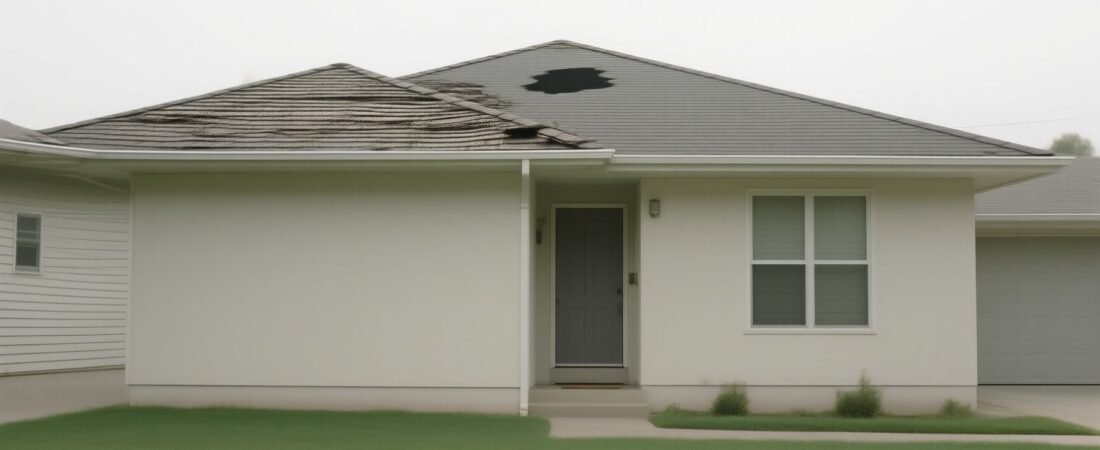
The image offers a close-up look at the kind of policy details worth finding in your own paperwork.
Does the Same Deductible Apply to Every Type of Claim?
Not necessarily. Many homeowners policies have one general deductible for most covered losses, but some add separate deductibles for particular causes. Which ones show up in your policy depends on your insurer, your state, and sometimes where your home is located.
In many homeowners policies, a deductible applies each time you make a claim for a separate event, rather than once per year. Here are some common ways deductibles can vary inside a single policy:
- A general deductible that applies to most covered losses, such as fire, theft or sudden water damage, depending on what your policy includes.
- A separate wind, hail or named-storm deductible in some policies and regions, which may be stated as a share of the home’s insured value instead of a flat sum.
- A deductible attached to an endorsement, which is an add-on that changes your policy. Optional coverages sometimes carry their own deductible, so read each add-on separately.
- Liability coverage, which pays when you’re responsible for injuring someone or damaging their property. It often doesn’t use a deductible the way property coverage does, but your policy wording decides.
- Separate events, which are typically treated as separate claims. How an insurer treats related damage from one storm or incident depends on the policy and the facts.
How Does a Deductible Change What a Claim Actually Pays?
Here’s a hypothetical example, not a real case. Picture a homeowner whose washing machine hose bursts while they’re at work, soaking the floor and the lower part of a wall. If the cause is sudden and accidental, meaning it happens abruptly rather than building slowly over months, it may be a covered loss under many standard policies.
If the repair estimate is higher than the deductible, the insurer typically pays the covered amount minus the deductible, and the homeowner pays the difference. If the estimate is lower, the claim may pay nothing, which is why small repairs are often handled out of pocket. Renters face the same math, and the question of whether renters insurance covers a stolen bike is a good example of how a lower-value item can make the deductible the deciding factor.
| Situation | Typically covered? | What to check in your policy |
|---|---|---|
| Sudden pipe burst, repair estimate is higher than the deductible | Often covered, with the deductible subtracted from the payment | Whether the cause is included, which deductible applies, and any limits on water damage |
| Same damage, but the estimate is lower than the deductible | The cause may be covered, yet the payment may be nothing | Your deductible compared with a written repair estimate before you decide to file |
| Slow leak behind a wall over a long period | Often excluded as gradual damage, so the deductible may not come into play | Exclusions for continuous or repeated seepage, wear and tear, and maintenance |
| Flood from rising water outside the home | Typically excluded from standard homeowners policies | Whether you have a separate flood policy, and what its own deductible is |
How Is a Deductible Different From a Premium, and How Do You Choose One?
The two terms are easy to mix up. A premium is what you pay to keep the policy active, usually spread across the year or paid in installments, while the deductible is what you pay only when a covered claim happens. In many policies, a higher deductible tends to lower the premium and a lower one tends to raise it, though how much that changes depends on the insurer and your home.
The real trade-off is about cash. Your mortgage lender may have its own expectations about deductibles depending on your loan terms, and renters policies have deductibles too, which is one of the differences covered in Renters vs. Homeowners Insurance: What’s the Difference?
What Should You Do Before Filing a Claim That’s Close to Your Deductible?
Start by finding the numbers. Pull out your declarations page, the summary at the front of your policy that lists your coverages, limits and deductibles, along with the exclusions section, which lists causes the policy typically won’t pay for. Then confirm which deductible applies to the cause of your damage and get a repair estimate so you can compare the two honestly.
Whether to file is your call, and it comes with trade-offs. Your agent or insurer can often explain how a claim would be handled before you decide, and these steps can help in the meantime:
- Make the area safe first. If electricity, gas, fire damage, flood water or structural damage is involved, step away and follow guidance from emergency services, your utility or a qualified professional.
- Limit further damage where it’s safe to do so, such as shutting off the water supply or covering an opening, and keep your receipts. Many policies expect reasonable steps to protect the property, so check your wording.
- Photograph or record the damage before cleanup, and list what was affected. Describe it accurately, because honest, specific records protect your claim.
- Find your deductible and the relevant exclusions in the policy, and request a written repair estimate from a qualified contractor.
- Contact your insurer or agent, report what happened as it happened, and ask which deductible applies and what the next steps are.
Pro-Tip: Save a copy of your declarations page and any endorsements somewhere you can reach even if your home isn’t accessible, and take dated photos of your rooms while everything is in good shape. Those records show the condition before a loss and make it easier to describe damage accurately. Report only what actually happened, since exaggeration or guesswork can hurt a legitimate claim.
When to Talk to Your Insurer, Agent or an Attorney:
- Damage keeps spreading or comes back after a repair, such as water that continues to seep. Ask your insurer promptly how ongoing damage is handled and what steps they expect from you.
- You receive a denial letter, or a payment that doesn’t match how you read the deductible. Ask for the explanation in writing, and know that a licensed attorney in your state can advise you on a denied claim.
- Your home is a total loss or unlivable. Ask how the deductible applies, how your mortgage lender fits into payments, and what your policy says about loss of use, which is coverage for extra living costs while you can’t stay in the home.
- Someone is injured on your property. Liability coverage works differently from property coverage, so contact your insurer about how it’s handled, and speak with a licensed attorney if you receive a legal demand.
- The policy wording about which deductible applies is unclear, or you’re a renter disagreeing with a landlord about whose insurance should respond. Your agent can clarify the policy, and a licensed attorney or local tenant resource can help with the dispute itself.
Set aside a few minutes this week to open your policy and find the declarations page. Write down your general deductible and any separate ones for storms or add-on coverages, then flip to the exclusions section and read the causes it lists. Keep that short note with your policy so you’re not hunting for it on a stressful day.
Frequently Asked Questions
What is homeowners insurance deductible?
A homeowners insurance deductible is the amount you typically pay out of pocket on a covered claim before your insurer pays the rest. It usually applies per claim rather than per year, though this depends on your policy and state. Your policy’s declarations page often lists the deductible that applies to you.
How does a homeowners insurance deductible work when you file a claim?
When you file a covered claim, your insurer typically subtracts the deductible from the settlement amount. For example, if the covered loss is larger than your deductible, you usually receive the difference. If the loss is smaller than your deductible, you may not receive a payment, though this depends on your policy.
Is a higher or lower homeowners insurance deductible better?
A higher deductible often lowers your premium but means you usually pay more out of pocket if you file a claim. A lower deductible typically raises your premium but reduces your upfront cost after a loss. The better choice depends on your budget, your savings, and how comfortable you are with risk.
Do I have separate deductibles for hurricanes, wind, or hail?
Some policies often include a separate deductible for certain events such as wind, hail, or named storms. These are sometimes calculated differently from the standard deductible, and availability depends on your policy and state. Check your policy documents or contact your insurer to see which deductibles apply to your home.
What can I do if I disagree with how my insurer applied my deductible?
Start by reviewing your policy and asking your insurer to explain how the deductible was calculated. If you still disagree, your state insurance department can usually explain your options for filing a complaint. A licensed attorney can also help if you need legal advice about a dispute.
Where to Verify This for Your Own Situation
- Your own policy: the declarations page, the coverage forms and any endorsements are what actually decide a claim.
- Your insurer or licensed agent: ask for the answer in writing if it affects a major decision.
- Your state insurance department: the regulator for your state, through the National Association of Insurance Commissioners (NAIC) website.
- General consumer explanations: the Insurance Information Institute.
- Flood coverage: the National Flood Insurance Program (a separate policy from standard home or renters insurance).
Disclaimer: This article is general educational information, not insurance, legal, tax or financial advice, and it is not a statement about what your own policy covers or will pay. Coverage depends on your specific policy wording, endorsements, limits and deductibles, your insurer and your state, and on the facts and cause of each loss. Insurers decide claims based on your policy, so read it and confirm details with your insurer or a licensed insurance agent before you rely on anything here or file a claim. Covered or Excluded is not an insurance company, agent or broker, and we cannot review your policy or your claim. If you need legal advice about a denied claim, speak with a licensed attorney in your state. In an emergency, contact emergency services first.