
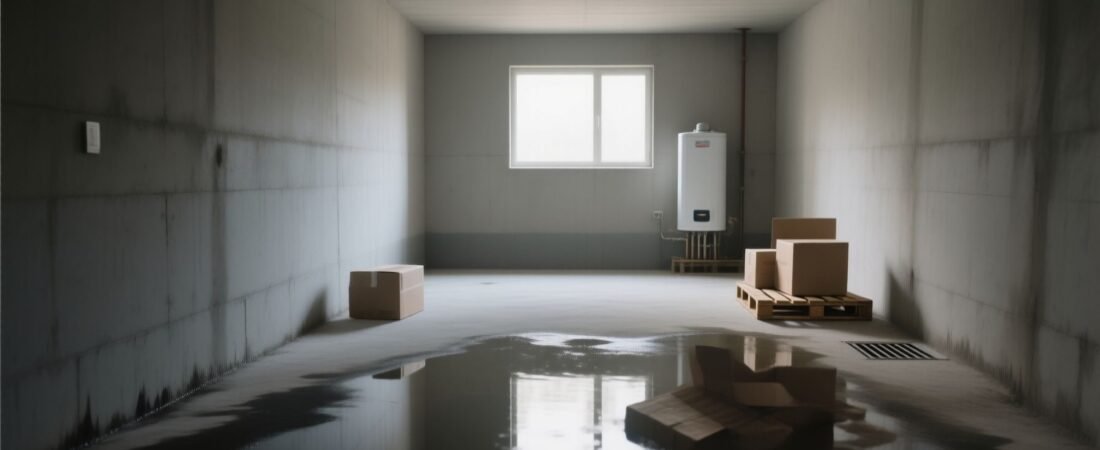
Quick Answer — It depends: Renters insurance may cover your belongings when basement water comes from a sudden, accidental source such as a burst pipe. It typically excludes flood water, groundwater seepage and drain backup unless you’ve added specific coverage, so your policy wording, endorsements, limits and state all matter.
Is the water on your basement floor something your renters policy will pay for? The honest answer turns on where the water came from, not just on the fact that your things are wet. Below, you’ll see how insurers tend to sort basement water into covered and excluded causes, who is usually responsible for the building itself, and what to do in the first hours so a claim isn’t weakened by avoidable mistakes.
Does Renters Insurance Cover Basement Flooding?
Sometimes, but the cause of the water decides it. A renters policy typically protects three things: your belongings, your personal liability (your legal responsibility if you accidentally injure someone or damage their property), and loss of use (help with extra living costs if a covered event makes your home unlivable). It typically does not cover the building itself, because the building belongs to your landlord.
Policies usually spell out the causes of loss they pay for, often called perils, and then list exclusions, which are causes they won’t pay for. Flood is one of the best-known exclusions. Water that comes from outside, such as a rising river, heavy surface runoff or ground saturated by rain, is typically excluded from standard renters and homeowners policies. Separate flood coverage exists, but whether you have it, and what it includes, depends on what was actually purchased.
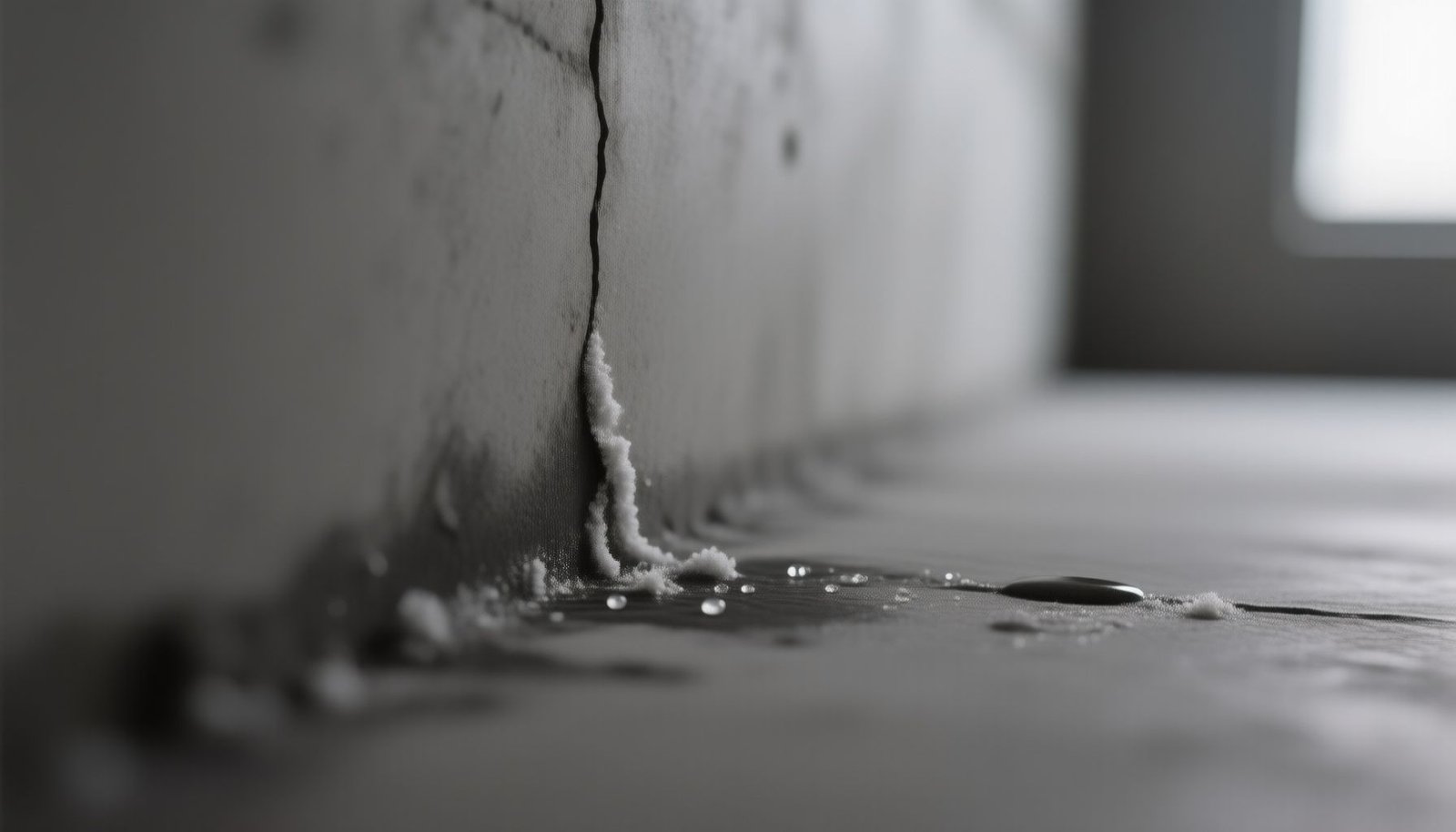
This close-up image illustrates the kind of basement water situation this article is about.
Is a Burst Pipe, Sewer Backup or Sump Pump Failure Covered?
Water that escapes from inside the plumbing system is treated very differently from flood water. Many policies cover belongings damaged by a “sudden and accidental” discharge, meaning a pipe, hose or appliance that fails abruptly rather than one that leaks for months. A slow drip that went unnoticed is commonly excluded as gradual damage or wear and tear, because insurance is designed for unexpected events, not ongoing maintenance problems.
Drain or sewer backup and sump pump overflow are the tricky ones. (A sump pump is the device that pushes groundwater away from a basement.) Standard policies often exclude these events, though some insurers offer an add-on, called an endorsement, that may bring limited coverage back. Our guide on Does Renters Insurance Cover Flooding? (Flood vs. Water Damage) breaks down that flood-versus-water-damage line in more detail, and it’s worth checking whether your own policy mentions water backup and how its limit is set.
Which Basement Water Problems Do Insurers Commonly Exclude?
Exclusions aren’t random. These are the situations that commonly lead to a limited or denied claim:
- Surface water and runoff: rain that pools outside and pushes in through a door, window well or foundation crack is typically treated as flood.
- Groundwater seepage: water rising through the floor or walls because the soil is saturated is commonly excluded.
- Sewer or drain backup: often excluded unless a specific endorsement was added, and even then a limit may apply.
- Gradual leaks and ongoing dampness: damage that built up over time is often excluded as wear and tear, or as a maintenance problem.
- Neglect after the first discovery: policies commonly expect you to take reasonable steps to prevent further damage, so a claim may be limited if the problem was left to get worse.
Here’s a hypothetical example. Picture a tenant who keeps boxes and a bookcase in a basement storage area. One week a water heater supply line splits and soaks everything; in another season, heavy rain seeps up through the floor and soaks the same boxes. The first event may fit “sudden and accidental” discharge, while the second is more likely to be treated as flood or groundwater, so identical wet cardboard could get two different answers depending on the policy.
Who Pays for the Basement Itself: Me, My Landlord or Their Insurer?
Renters insurance is built around the tenant, not the building. Walls, flooring, the furnace and other fixtures usually belong to the landlord, and the landlord’s own property policy, if there is one, is what typically responds to structural damage, subject to that policy’s exclusions. That policy generally doesn’t pay for your belongings, which is exactly the gap a renters policy is meant to fill.
Homeowners policies are wider, because the owner also insures the structure. They typically include coverage for the dwelling, other structures such as a detached garage, belongings, liability and loss of use, yet they still typically exclude flood. If you own a manufactured home rather than rent, our article on Homeowners Insurance for Mobile and Manufactured Homes covers how that side of things works.
| Situation | Typically covered? | What to check in your policy |
|---|---|---|
| Your stored furniture is soaked after a pipe bursts suddenly | Often covered, depending on the cause and your limits | Whether water discharge from plumbing is a covered cause, your deductible (the amount you pay before coverage starts), and whether belongings are paid at replacement cost or at depreciated value |
| Rainwater or groundwater seeps into the basement and ruins your belongings | Typically excluded | The flood, surface water and seepage exclusions, and whether you carry separate flood coverage |
| A sewer or drain backs up into your space | Often excluded unless an endorsement was added | Any water backup endorsement and its limit |
| The landlord’s drywall, flooring or furnace is damaged | Typically not covered by your renters policy | Your lease, who handles repairs, and the liability section if you may have caused the damage |
What Should I Do Right After Finding Water in My Basement?
Safety comes first. Standing water can hide live electrical wiring, outlets and appliances, and a flooded space may also involve gas or structural weakness. If you have any doubt, stay out and follow guidance from emergency services, your utility or a qualified professional, because belongings can be replaced and you can’t.
- Get to a safe place first. Don’t walk into water that touches outlets or appliances, and contact your utility or emergency services if you smell gas or suspect electrical danger.
- Tell your landlord or property manager promptly. They typically control the building and its plumbing, so note when and how you reported the problem.
- Photograph or film the damage before you move or throw anything away, and write down what you can see about where the water seems to be coming from.
- Limit further damage where it’s safe to do so, for example by moving undamaged items somewhere dry, and keep receipts for anything you spend.
- Contact your insurer. Ask how to start a claim, what documents they want, how your deductible applies, and whether to hold on to damaged items until someone has looked at them.
Honesty keeps a claim on solid ground. Describe what you saw as accurately as you can, say so when you’re unsure of the source, and list only what was truly damaged. Lingering dampness can also lead to mold, and policies often treat mold under separate wording, so read that part of your policy too.
Pro-Tip: Take a slow video walk-through of your basement storage now, before anything goes wrong, and save a copy somewhere other than your phone. Then read the water section and the exclusions of your policy, looking for words like flood, surface water, seepage, backup and sump pump.
When to Talk to Your Insurer, Agent or an Attorney:
- The water keeps returning or spreading after you’ve reported it, or nobody can say where it’s coming from. Your insurer can explain what steps they expect, and your landlord is typically the one to address repairs.
- You receive a denial or partial payment letter you disagree with. Ask the insurer to explain in writing which policy wording applied, and know that a licensed attorney in your state can advise you on your options.
- Your belongings look like a total loss, or the unit isn’t liv
Frequently Asked Questions
Does renters insurance cover basement flooding?
It depends on the cause of the flooding. Standard renters policies typically do not cover flood damage from outside sources, such as heavy rain, overflowing rivers or rising groundwater. Coverage usually depends on your policy and state, so read the exclusions section of your own policy or ask your insurer.
Does renters insurance cover water damage in the basement from a burst pipe?
Often, yes. Many policies typically cover your belongings when water damage comes from a sudden and accidental event, such as a burst pipe or a failed appliance. Coverage usually depends on the cause and on your policy’s terms, and damage from slow leaks or poor upkeep is often treated differently.
Does renters insurance cover sewer backup in a basement?
Sewer or drain backup is usually excluded from a standard renters policy. Some insurers offer it as an optional add-on, often called an endorsement or rider. Contact your insurer to find out whether it is available to you and what it would cover.
Do I need separate flood insurance as a renter?
If you live in an area where flooding is a concern, a separate flood policy for your belongings is often worth looking into. Standard renters insurance typically does not include flood coverage, and a landlord’s insurance usually protects the building rather than your personal property. An insurance agent can explain what is available where you live.
What can I do if my renters insurance denies my basement flooding claim?
Start by reading the denial letter and comparing it with your policy language. Then ask your insurer to explain in writing which part of the policy it relied on. If you still think the decision is wrong, your state insurance department or a licensed attorney can explain your options.
Where to Verify This for Your Own Situation
- Your own policy: the declarations page, the coverage forms and any endorsements are what actually decide a claim.
- Your insurer or licensed agent: ask for the answer in writing if it affects a major decision.
- Your state insurance department: the regulator for your state, through the National Association of Insurance Commissioners (NAIC) website.
- General consumer explanations: the Insurance Information Institute.
- Flood coverage: the National Flood Insurance Program (a separate policy from standard home or renters insurance).
Disclaimer: This article is general educational information, not insurance, legal, tax or financial advice, and it is not a statement about what your own policy covers or will pay. Coverage depends on your specific policy wording, endorsements, limits and deductibles, your insurer and your state, and on the facts and cause of each loss. Insurers decide claims based on your policy, so read it and confirm details with your insurer or a licensed insurance agent before you rely on anything here or file a claim. Covered or Excluded is not an insurance company, agent or broker, and we cannot review your policy or your claim. If you need legal advice about a denied claim, speak with a licensed attorney in your state. In an emergency, contact emergency services first.