
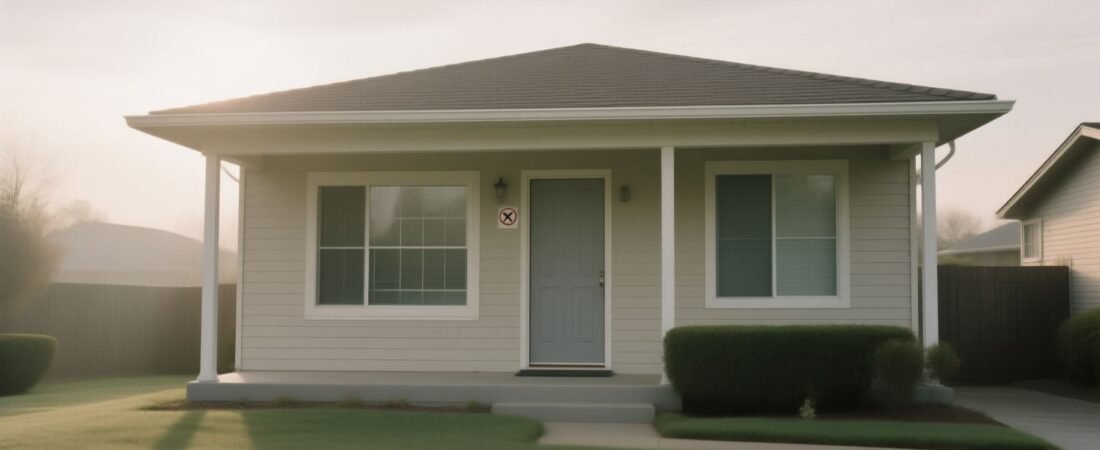
Quick Answer — It depends: A standard homeowners policy is typically written for a home the owner lives in, so it may not respond the way you’d expect once tenants move in. Landlord coverage is often a separate type of policy, and what it covers depends on your policy wording, endorsements, limits and state.
A homeowners policy is built around the person who sleeps in the house, and that one detail changes a lot once a tenant holds the keys. Landlord insurance is typically a different kind of policy, designed around the building, the owner’s liability and sometimes lost rent. Below, you’ll see how the two compare, what can go wrong if you rent out a home on the wrong coverage, and where a tenant’s own insurance fits in.
Is Landlord Insurance Different From Homeowners Insurance?
Usually, yes. A homeowners policy is a package designed for owner-occupied homes. It typically covers the dwelling (the house itself), other structures like a detached garage or fence, the owner’s belongings, personal liability, and loss of use, which helps with extra living costs if a covered loss makes your home unlivable. The assumption underneath all of it is that the owner lives there.
Landlord insurance, sometimes called a rental dwelling policy, shifts the focus. It typically covers the building and other structures, liability connected to the rental, and may include coverage for lost rental income when a covered loss makes the unit unlivable. What it usually doesn’t cover is the tenant’s belongings, and the names, forms and options differ by insurer and state, so your own policy wording is what counts.
The close-up above is a reminder that the physical building is the core of what a landlord’s policy is built to protect.
What Happens if You Rent Out Your Home on a Homeowners Policy?
Insurers set their terms based on how a home is used. Moving out and renting the house is a change in occupancy, meaning who lives there and for what purpose, and policy wording often ties coverage to the owner living in the home. Some insurers allow limited rental use or offer an endorsement, which is an add-on that changes the policy’s terms.
Picture a homeowner (a hypothetical example) who takes a job in another city, rents out the house, and doesn’t tell the insurer. If a fire happens later, the insurer may look closely at how the home was being used, and the claim could be limited or denied depending on the policy wording and state. Common reasons rental claims run into trouble include:
- The insurer wasn’t told the home was being rented, and the policy ties coverage to owner occupancy.
- The home sat vacant between tenants, and the policy has a vacancy clause that limits certain types of loss after a period set out in the policy.
- The damage came from wear and tear, neglect or a slow leak rather than a sudden and accidental event.
- The cause is excluded altogether, as flood and earthquake damage typically are under standard policies.
- The loss involved the tenant’s belongings, which a landlord’s policy typically doesn’t cover.
What Does Landlord Insurance Typically Cover and Exclude?
Insurers generally cover sudden and accidental damage, such as a kitchen fire or a pipe that bursts without warning, because those events are unpredictable. They typically exclude gradual damage like wear and tear or long-term seepage, because that’s treated as maintenance, a normal cost of owning property rather than an insurable surprise. Which side of that line a loss lands on depends on your policy’s wording and the facts of the damage.
That sudden-versus-gradual line is also why moisture problems get disputed so often, and our guide on Does Homeowners Insurance Cover Mold? (When It’s Covered) explains how it plays out. Landlord policies can word this differently, so check yours directly. Flood and earthquake damage are typically excluded from standard policies and often need separate coverage.
| Situation | Typically covered? | What to check in your policy |
|---|---|---|
| Fire damages the rental building | Typically covered if fire is a covered cause under the policy | Your dwelling coverage limit, your deductible, and whether the policy is written for a rental |
| Tenant’s furniture and electronics are destroyed in the same fire | Typically not under the landlord’s policy; the tenant’s renters policy would usually be the one to respond | Whether you’ve insured any appliances or furnishings you supply with the unit |
| A slow leak behind a wall goes unnoticed for months | Often excluded as gradual damage | Wording on wear and tear, long-term leakage and any exceptions for hidden or sudden discovery |
| A visitor is injured on a rental’s stairs | Liability coverage may respond, depending on the facts | Your liability limit, exclusions, and how the insurer handles injury claims |
Does a Tenant Still Need Renters Insurance if the Landlord Has a Policy?
A renters policy typically fills that gap by covering the tenant’s belongings, liability and loss of use, but not the building itself. Some leases require tenants to carry renters insurance, so the lease is worth reading.
Renters coverage for belongings may extend beyond the rental unit in some policies, which is covered in Does Renters Insurance Cover Theft Outside Your Home?. If a tenant believes a landlord’s negligence contributed to a loss, that’s a separate question that depends on the lease and state law. Neither side should assume the other’s policy will cover their loss.
What Should a Landlord Do After Damage at a Rental Property?
Safety comes before paperwork. If the damage involves electricity, gas, fire, flood water or possible structural problems, follow guidance from emergency services, the utility, or a qualified professional before anyone goes back in. That applies to tenants as well as to you.
Once everyone is safe, a few steps usually help a claim go more smoothly, though your policy may set its own requirements:
- Confirm that tenants and anyone nearby are safe, and wait for clearance before entering damaged areas.
- Photograph and video the damage before any cleanup, and gather records showing the unit’s condition before the loss.
- Take reasonable steps to prevent further damage, such as shutting off water if it’s safe, and keep every receipt.
- Contact your insurer or agent promptly and describe what happened accurately, without guessing at causes or exaggerating the loss.
- Keep a written log of conversations with tenants, contractors and the insurer, including any rent you lose while the unit is unlivable.
Pro-Tip: Before you rent out a home, ask your insurer or agent in writing how the policy treats rental use, and keep their reply with your policy. Then read the exclusions and vacancy sections, and save dated photos of each unit between tenants.
When to Talk to Your Insurer, Agent or an Attorney:
- Damage in a unit keeps spreading, such as a leak or moisture that returns, and you’re unsure what the policy requires you to do.
- You’ve received a denial letter you disagree with. Your insurer can explain its reasoning, and a licensed attorney in your state can advise on your options.
- A tenant or visitor was injured on the property, or a tenant is disputing who’s responsible for a loss.
- The home is a total loss or can’t be lived in, and you need to understand how repairs and lost rent are handled.
Pull out your current policy and find two things: the declarations page, which lists what’s insured and your limits, and the exclusions section. Note your deductible, the amount you pay before coverage applies, and look for any wording about rental use, occupancy or vacancy. If any of it is unclear, send your agent a written question and keep the answer on file.
Frequently Asked Questions
What is the difference between landlord insurance and homeowners insurance?
Homeowners insurance is typically designed for a home the owner lives in, while landlord insurance is usually designed for a property rented out to tenants. Landlord policies often focus on the building, liability related to tenants, and sometimes lost rental income. What is covered depends on your policy and state, so review the details with your insurer.
Does homeowners insurance cover a rental property?
A standard homeowners policy often does not fit a property that is rented to tenants, because the risk is different from an owner-occupied home. Coverage may be limited or a claim may be denied if the insurer learns the home is being rented. Check your own policy or contact your insurer to find out how renting the property affects your coverage.
Does landlord insurance cover my tenant’s belongings?
Landlord insurance typically covers the building and any items the landlord owns, such as appliances or furniture supplied with the rental. A tenant’s personal belongings are usually not included. Tenants often need their own renters insurance to protect their possessions, though requirements depend on the lease and your state.
Does landlord insurance cover lost rent if the property is damaged?
Many landlord policies offer optional or built-in coverage for lost rental income when a covered event, such as a fire, makes the property unlivable. Whether this applies usually depends on your policy, the cause of the damage, and your state. Read the policy wording or ask your insurer what is and is not included.
What should I do if my insurer denies a claim on my rental property?
Start by reviewing your policy and the insurer’s written explanation, then ask the insurer to clarify the reason for the denial. If you still disagree, the state insurance department can often explain your options and how to file a complaint. A licensed attorney can help if you need advice about a dispute.
Where to Verify This for Your Own Situation
- Your own policy: the declarations page, the coverage forms and any endorsements are what actually decide a claim.
- Your insurer or licensed agent: ask for the answer in writing if it affects a major decision.
- Your state insurance department: the regulator for your state, through the National Association of Insurance Commissioners (NAIC) website.
- General consumer explanations: the Insurance Information Institute.
- Flood coverage: the National Flood Insurance Program (a separate policy from standard home or renters insurance).
Disclaimer: This article is general educational information, not insurance, legal, tax or financial advice, and it is not a statement about what your own policy covers or will pay. Coverage depends on your specific policy wording, endorsements, limits and deductibles, your insurer and your state, and on the facts and cause of each loss. Insurers decide claims based on your policy, so read it and confirm details with your insurer or a licensed insurance agent before you rely on anything here or file a claim. Covered or Excluded is not an insurance company, agent or broker, and we cannot review your policy or your claim. If you need legal advice about a denied claim, speak with a licensed attorney in your state. In an emergency, contact emergency services first.