
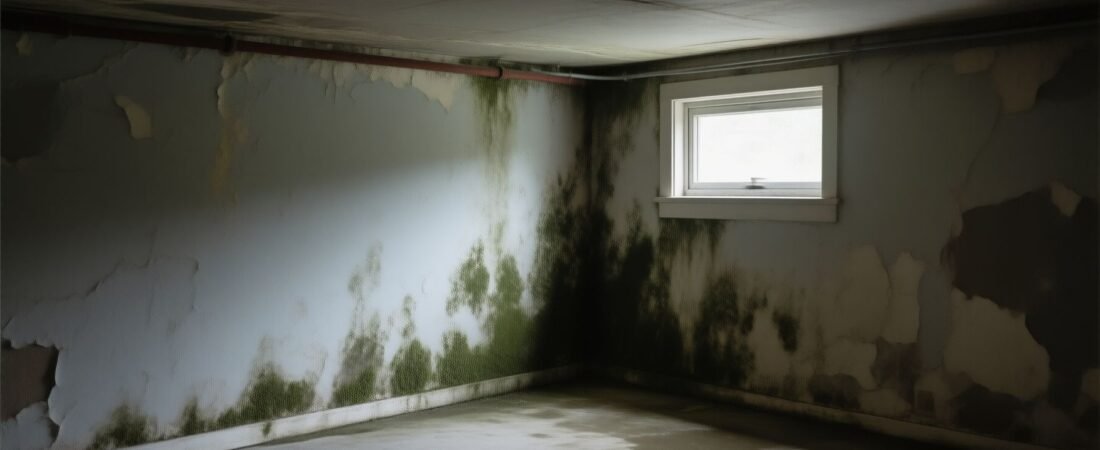
Quick Answer — It depends: Homeowners insurance typically covers mold only when it follows a covered, sudden and accidental event, such as a pipe that bursts, and it often excludes mold from long-term leaks, humidity or neglect. Even when mold is covered, many policies cap what they’ll pay, so your policy wording, endorsements (add-on coverages) and state all matter.
Spotting a dark, fuzzy patch behind the vanity makes one question jump to the front: who pays for this? With homeowners insurance, the answer usually hinges on what caused the moisture rather than on the mold itself. Below, you’ll see when standard policies typically respond, why insurers draw the line where they do, what to do right after you find mold, and which parts of a policy may come into play.
Does Homeowners Insurance Cover Mold Damage?
Sometimes, yes. A standard homeowners policy typically covers mold when it results from a covered peril, which is the insurance term for a specific cause of loss the policy agrees to pay for. A pipe that suddenly bursts is a common example of a peril many policies cover.
Mold with no covered cause behind it is often excluded. Policies are built to respond to sudden, unexpected events rather than ongoing upkeep, so an insurer will usually look at what started the moisture before it looks at the mold. Whether mold from a covered event is paid in full, paid up to a lower limit, or not paid at all depends on your policy wording, endorsements and state.
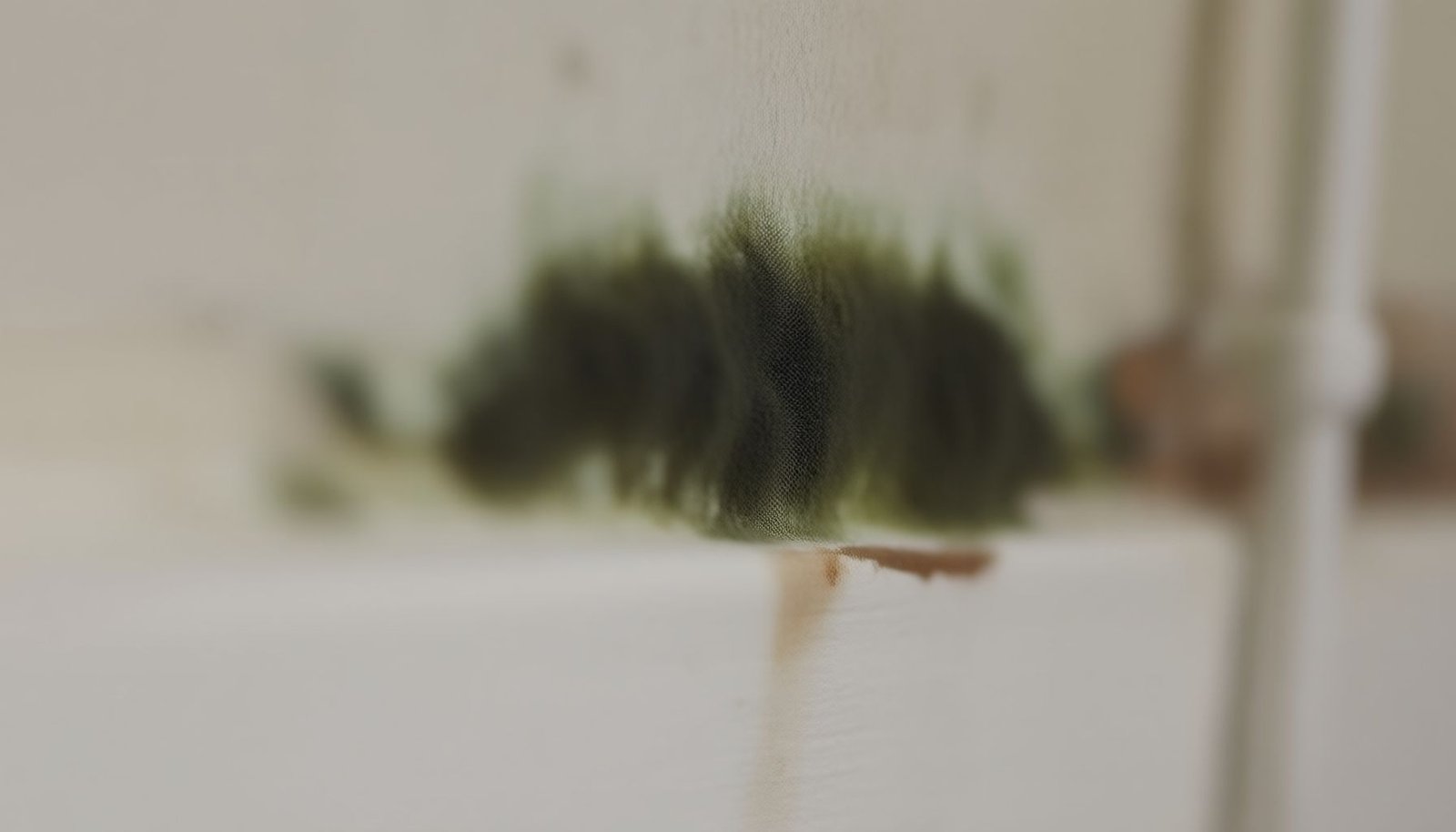
This close-up view shows the kind of surface mold growth that sends many homeowners searching for answers about coverage.
What’s the Difference Between Sudden and Gradual Water Damage?
Insurers use “sudden and accidental” to describe damage that happens abruptly and unexpectedly, like a washing machine hose that fails or a pipe that splits. “Gradual” describes damage that builds over time, like a slow drip, repeated seepage or lingering dampness. Standard policies commonly exclude gradual damage because it’s usually viewed as something regular maintenance could have caught before it grew.
Here’s a hypothetical example. Picture a homeowner whose washing machine hose bursts on a Saturday; they shut off the water, get the area dried, and still find mold behind the baseboard a few weeks later. Now compare a homeowner who notices a damp cabinet under the kitchen sink and leaves it alone for months. The first situation is more likely to be treated as a covered event and the second as long-term leakage, though the outcome in both cases depends on the exact policy wording and the insurer’s investigation.
| Situation | Typically covered? | What to check in your policy |
|---|---|---|
| A pipe bursts, soaks a wall, and mold appears afterward | Often covered if the water damage itself is covered, though mold payment may be limited | Whether mold has its own sublimit, whether cleanup is included, and how the policy defines sudden and accidental |
| A slow leak under a sink or behind a wall goes on for a long time | Often excluded | Wording about long-term, repeated or hidden leaks, plus maintenance and neglect exclusions |
| Musty areas caused by humidity, condensation or poor ventilation | Typically excluded | Exclusions for wear and tear, condensation, maintenance and mold or fungus |
| Mold after a flood, surface water or groundwater | Typically excluded under a standard homeowners policy; a separate flood policy may respond depending on its terms | The flood exclusion, whether you carry separate flood coverage, and any endorsement for sewer or drain backup |
Why Do Insurers Exclude or Limit Mold Coverage?
Mold can grow slowly and out of sight, inside walls or under flooring, which makes it hard to tell when and why it started.
Even when mold is covered, many policies set a separate cap called a sublimit, which is a lower maximum payout for one type of loss. Others offer mold coverage only through an endorsement, and what you actually have depends on your wording, insurer and state. Here are common reasons mold claims get limited or denied:
- The moisture came from a slow or long-running leak rather than a sudden event.
- Humidity, condensation or weak ventilation produced the mold, with no covered event behind it.
- The water came from flooding, surface water or groundwater, which standard homeowners policies typically exclude.
- The policy has a mold sublimit, and cleanup and repair costs run past it, leaving the rest to you.
- Reporting was delayed, or reasonable steps to stop further damage weren’t taken, which many policies treat as a condition of coverage.
What Should You Do After Finding Mold From Water Damage?
Safety comes before paperwork. If there’s standing water, a sagging ceiling, or water near outlets, appliances or the electrical panel, stay out and follow guidance from emergency services, your utility or a qualified professional. Mold and water damage can affect health, but this article can’t give medical or remediation advice, so questions about symptoms or cleanup methods belong with the right experts.
Where the water came from also shapes the claim. Water used to put out a fire, for example, is often handled as part of the fire claim, which our guide on Does Renters Insurance Cover Fire and Smoke Damage? explains from a tenant’s side. Once it’s safe, these steps tend to protect a claim:
- Stop the source if you can do so safely, such as shutting off the water supply, and arrange for a qualified repair.
- Photograph and video the damage, the affected rooms and the source of the water before anything is moved, cleaned or thrown out.
- Contact your insurer or agent promptly to report the loss, and ask what reporting deadlines apply, since they vary by policy and state.
- Take reasonable steps to limit further damage, and keep receipts for what you spend. Many policies expect this, though whether costs are reimbursed depends on your wording.
- Ask before discarding damaged items or tearing out major materials, and document them
Frequently Asked Questions
Does homeowners insurance cover mold removal?
It depends on your policy and state, but homeowners insurance typically covers mold removal only when the mold results from a covered peril, such as a sudden pipe burst. Mold caused by neglect, ongoing leaks, or poor maintenance is often excluded. Check your own policy or contact your insurer to see how mold is treated under your coverage.
What causes mold that homeowners insurance will usually cover?
Insurers often cover mold when it follows a sudden and accidental event that the policy already covers, like a burst pipe or storm damage that let water in. The key factor is usually the source of the moisture. What counts as covered depends on your policy and state.
Does homeowners insurance cover mold from a slow leak or flood?
Slow, long-term leaks are often excluded because insurers may view them as a maintenance issue. Flooding is typically not covered by a standard homeowners policy, so mold that results from it is often not covered either. Separate flood coverage or an added endorsement may change this, depending on your policy.
Is there a limit on how much homeowners insurance pays for mold?
Many policies place a cap on mold-related claims or offer mold coverage only through an add-on, though the details vary by insurer and state. Your declarations page or policy documents should show whether a mold limit applies. If anything is unclear, your insurer or agent can explain it.
What should I do if my mold claim is denied?
Start by reading the denial letter and comparing it with your policy language so you understand the reason given. You can often ask your insurer to review the decision or submit additional documentation. If you still disagree, a licensed attorney or your state insurance department can help explain your options.
Where to Verify This for Your Own Situation
- Your own policy: the declarations page, the coverage forms and any endorsements are what actually decide a claim.
- Your insurer or licensed agent: ask for the answer in writing if it affects a major decision.
- Your state insurance department: the regulator for your state, through the National Association of Insurance Commissioners (NAIC) website.
- General consumer explanations: the Insurance Information Institute.
- Flood coverage: the National Flood Insurance Program (a separate policy from standard home or renters insurance).
Disclaimer: This article is general educational information, not insurance, legal, tax or financial advice, and it is not a statement about what your own policy covers or will pay. Coverage depends on your specific policy wording, endorsements, limits and deductibles, your insurer and your state, and on the facts and cause of each loss. Insurers decide claims based on your policy, so read it and confirm details with your insurer or a licensed insurance agent before you rely on anything here or file a claim. Covered or Excluded is not an insurance company, agent or broker, and we cannot review your policy or your claim. If you need legal advice about a denied claim, speak with a licensed attorney in your state. In an emergency, contact emergency services first.