
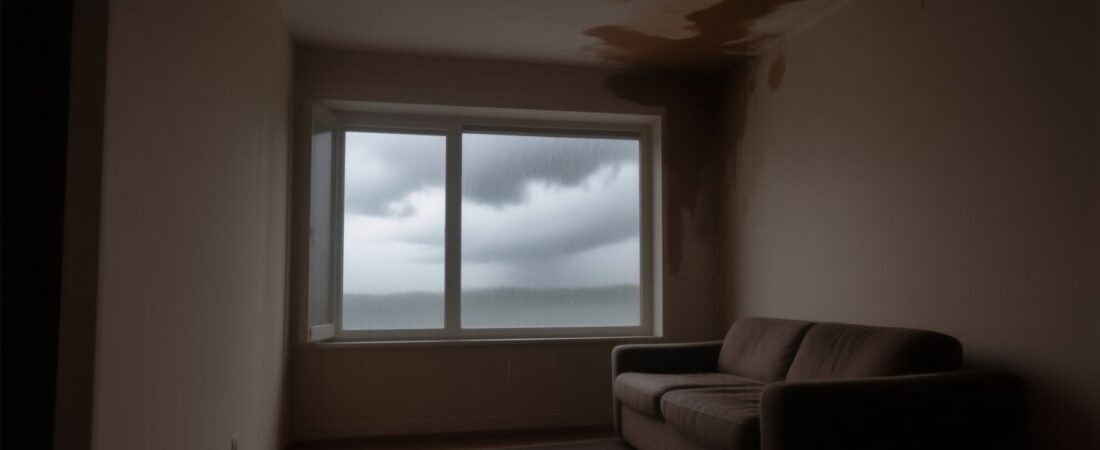
Quick Answer — It depends: Standard renters policies typically cover your belongings against hurricane wind damage, but they usually exclude flood and storm surge, which is often the most destructive part of a hurricane. What actually gets paid depends on your policy wording, deductible, coverage limits and state.
Is your stuff actually protected if a hurricane heads for your town? Below, we’ll look at what’s typically covered, how flooding and evacuation are treated, why claims get limited, and what to do before and after a storm.
Does Renters Insurance Cover Hurricane Damage to My Belongings?
Often, yes, at least for the wind. A renters policy is built to protect your belongings (furniture, clothes, electronics), your liability if someone is hurt or their property is damaged because of you, and some living costs after a covered loss. Many policies list the causes of loss they pay for, sometimes called named perils, and windstorm is typically on that list, so belongings damaged by hurricane winds may be covered.
Rain is where the wording matters most. In many policies, rain damage to your belongings is covered when wind or a falling tree first opens up the building, such as a broken window or torn roof, but not when water simply seeps in some other way. The building itself is typically a matter for your landlord’s insurance rather than yours, and whether your exact situation fits depends on your policy wording, limits and state.
This close-up view shows the kind of detail that’s worth photographing when storm damage affects a home.
Is Hurricane Flooding or Storm Surge Covered by Renters Insurance?
Usually not. Standard renters and homeowners policies typically exclude flood, meaning water that rises from the ground or arrives from outside, including storm surge (seawater pushed onto land by a hurricane), overflowing rivers and heavy runoff. Insurers generally treat flood as its own risk, partly because it can hit many properties in one area at once, so it’s typically handled through a separate flood insurance policy.
A separate flood policy for belongings may be available to renters, depending on where you live, and there’s often a waiting period before it takes effect. That means buying one when a storm is already on the forecast map may be too late. We go deeper on the general flood exclusion in our guide to Does Renters Insurance Cover Basement Flooding?, which is worth a read if you live on a low floor.
| Situation | Typically covered? | What to check in your policy |
|---|---|---|
| Hurricane winds break a window or tear the roof, and rain soaks your belongings | Often covered for your belongings, since windstorm is typically a covered cause | Whether rain damage requires wind to open the building first, and what your deductible is |
| Storm surge or rising water enters a ground-floor unit | Usually excluded under a standard renters policy | The flood exclusion wording, and whether you have a separate flood policy that was already in effect |
| A tree falls on your parked car | Typically not under a renters policy, since cars are usually handled by an auto policy | Whether your auto policy includes optional coverage for non-collision damage |
Will Renters Insurance Pay for a Hotel If I Have to Leave?
Possibly, but it depends on why you left. Many renters policies include loss of use coverage, which typically helps with extra living costs, such as a hotel or temporary rental, when a covered loss makes your home unlivable. If the damage comes from a cause your policy excludes, such as flood, that help may not apply either.
Here’s an example: picture a tenant whose upper-floor apartment loses part of its roof to hurricane winds and can’t be lived in while repairs happen. Their extra housing costs may fall under loss of use, subject to the policy’s limits and any time limits it sets. If that same tenant had simply left ahead of the storm and come home to an undamaged unit, the hotel bill is often not covered, though how policies treat official evacuation orders varies, so check your wording.
Why Do Some Hurricane Claims Get Limited or Denied?
Because a policy pays for specific causes of loss, up to specific limits, after a deductible (the amount you pay yourself before the insurer pays). A hurricane tends to bring several causes at once, so one apartment can have both covered and excluded damage. These are common reasons a claim ends up smaller than a tenant expected:
- Flood and storm surge damage, which standard policies typically exclude.
- A separate hurricane or windstorm deductible, which some policies use and which may be calculated differently from your regular deductible.
- Sublimits, which are lower caps on certain categories such as jewelry, collectibles or electronics, even when your overall limit is higher.
- Payment based on actual cash value, meaning the item’s worth after depreciation, rather than replacement cost, meaning what it costs to buy a new one. Which applies depends on your policy.
- Damage that was already there or built up gradually, such as wear and tear or a slow leak, since policies typically cover sudden and accidental events rather than gradual deterioration.
- Weak records of what you owned, which can make it harder to show what was lost and what it was worth.
Who owns what is another common source of confusion. If you rent your home, the building is typically the landlord’s responsibility. If you own a mobile or manufactured home, the home itself may need its own coverage, and our guide to Homeowners Insurance for Mobile and Manufactured Homes explains how that differs. Either way, the result depends on your policy wording, any endorsements (add-ons that change a policy’s standard terms) and your state’s rules.
What Should I Do Before and After a Hurricane to Protect a Claim?
Safety comes before any claim or photo. If there’s flood water, downed power lines, a gas smell or structural damage, follow the guidance of emergency services, your utility company or a qualified professional, and stay out of a damaged building until it’s been cleared as safe. The steps below assume it is safe to act:
- Before the storm, if there’s time, photograph or video each room and your more valuable items, and save the files somewhere outside your home, such as cloud storage.
- Find your policy and note your deductible, your coverage limits and how to reach your insurer’s claims line.
- After the storm, once it’s safe, photograph and video the damage before you move or discard anything, and ask your insurer how to handle items that are unsafe to keep.
- Take reasonable steps to pr
Frequently Asked Questions
Does renters insurance cover hurricanes?
Renters insurance typically covers damage to your belongings caused by wind, falling trees, and similar events tied to a hurricane. Coverage often depends on your policy and state, and some exclusions or limits may apply. Check your own policy or contact your insurer to confirm what is included.
Does renters insurance cover flood damage from a hurricane?
Standard renters insurance usually does not cover flooding or rising water, even when a hurricane causes it. Many renters add a separate flood policy to fill that gap, though availability depends on where you live. Your insurer or agent can explain what your policy leaves out.
Will renters insurance pay for a hotel if I have to leave because of a hurricane?
Many renters policies include loss of use or additional living expense coverage, which may help with housing costs if a covered event makes your home unlivable. Whether it applies to a mandatory or voluntary evacuation without physical damage often depends on your policy. Review that section of your policy or ask your insurer before you rely on it.
Is there a separate hurricane deductible on renters insurance?
Some policies in hurricane-prone areas may use a separate windstorm or hurricane deductible instead of the standard one. How it works usually depends on your policy and state. Look at your declarations page or ask your insurer to see which deductible would apply.
What can I do if my renters insurance claim for hurricane damage is denied?
Start by reading the denial letter and your policy to understand the reason given, and ask your insurer to explain anything unclear. If you still disagree, your state insurance department can often explain your options. A licensed attorney can also advise you on a dispute.
Where to Verify This for Your Own Situation
- Your own policy: the declarations page, the coverage forms and any endorsements are what actually decide a claim.
- Your insurer or licensed agent: ask for the answer in writing if it affects a major decision.
- Your state insurance department: the regulator for your state, through the National Association of Insurance Commissioners (NAIC) website.
- General consumer explanations: the Insurance Information Institute.
- Flood coverage: the National Flood Insurance Program (a separate policy from standard home or renters insurance).
Disclaimer: This article is general educational information, not insurance, legal, tax or financial advice, and it is not a statement about what your own policy covers or will pay. Coverage depends on your specific policy wording, endorsements, limits and deductibles, your insurer and your state, and on the facts and cause of each loss. Insurers decide claims based on your policy, so read it and confirm details with your insurer or a licensed insurance agent before you rely on anything here or file a claim. Covered or Excluded is not an insurance company, agent or broker, and we cannot review your policy or your claim. If you need legal advice about a denied claim, speak with a licensed attorney in your state. In an emergency, contact emergency services first.