
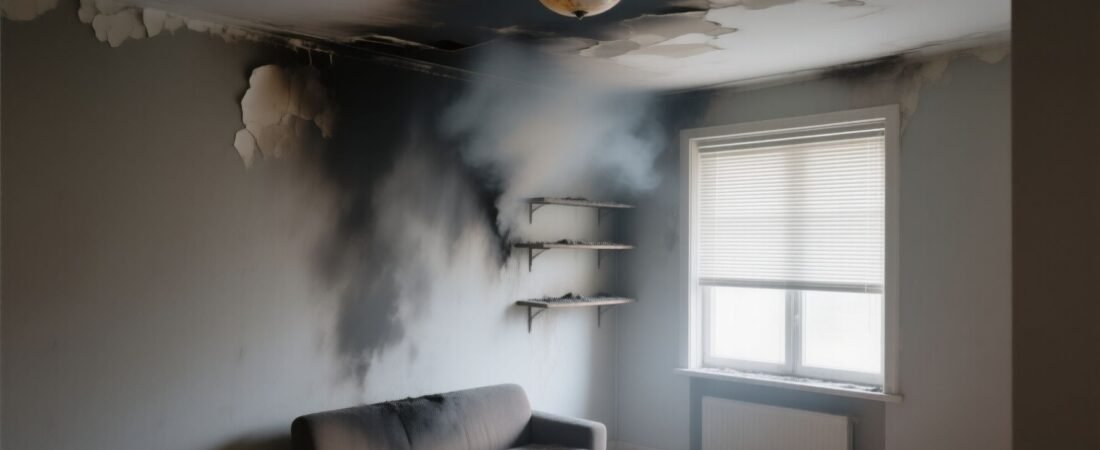
Quick Answer — Usually covered: Fire and smoke are typically covered causes of loss for a tenant’s belongings under standard renters policies, and many policies also help with temporary living costs. The building itself is typically the landlord’s insurance to handle, and your limits, deductible and exact policy wording decide the details.
Your neighbor’s kitchen fire was put out in minutes, but your apartment smells like a campfire and your couch is coated in soot, so who pays for that? Standard renters policies typically cover fire and smoke damage to your own belongings, and often some extra living costs, but they don’t typically pay to repair the building. This article walks through what that usually means, where claims get limited, and what to do in the first hours so your claim has solid footing.
What Does Renters Insurance Cover After a Fire?
A standard renters policy typically covers your personal property, meaning the furniture, clothing, electronics, kitchenware and other belongings you own, when they’re damaged or destroyed by fire. Most policies protect belongings on a “named perils” basis, which means the policy lists the specific causes of loss it covers. Fire is typically on that list, though the exact wording depends on your policy.
How much you get back depends on two things in your policy. The first is the payment basis: “actual cash value” usually means the item’s value after subtracting wear and age, while “replacement cost” usually means what it costs to buy a similar new item. The second is your deductible, which is the amount you pay out of pocket before the insurer pays, and your personal property limit, which is the most the policy typically pays for belongings overall.
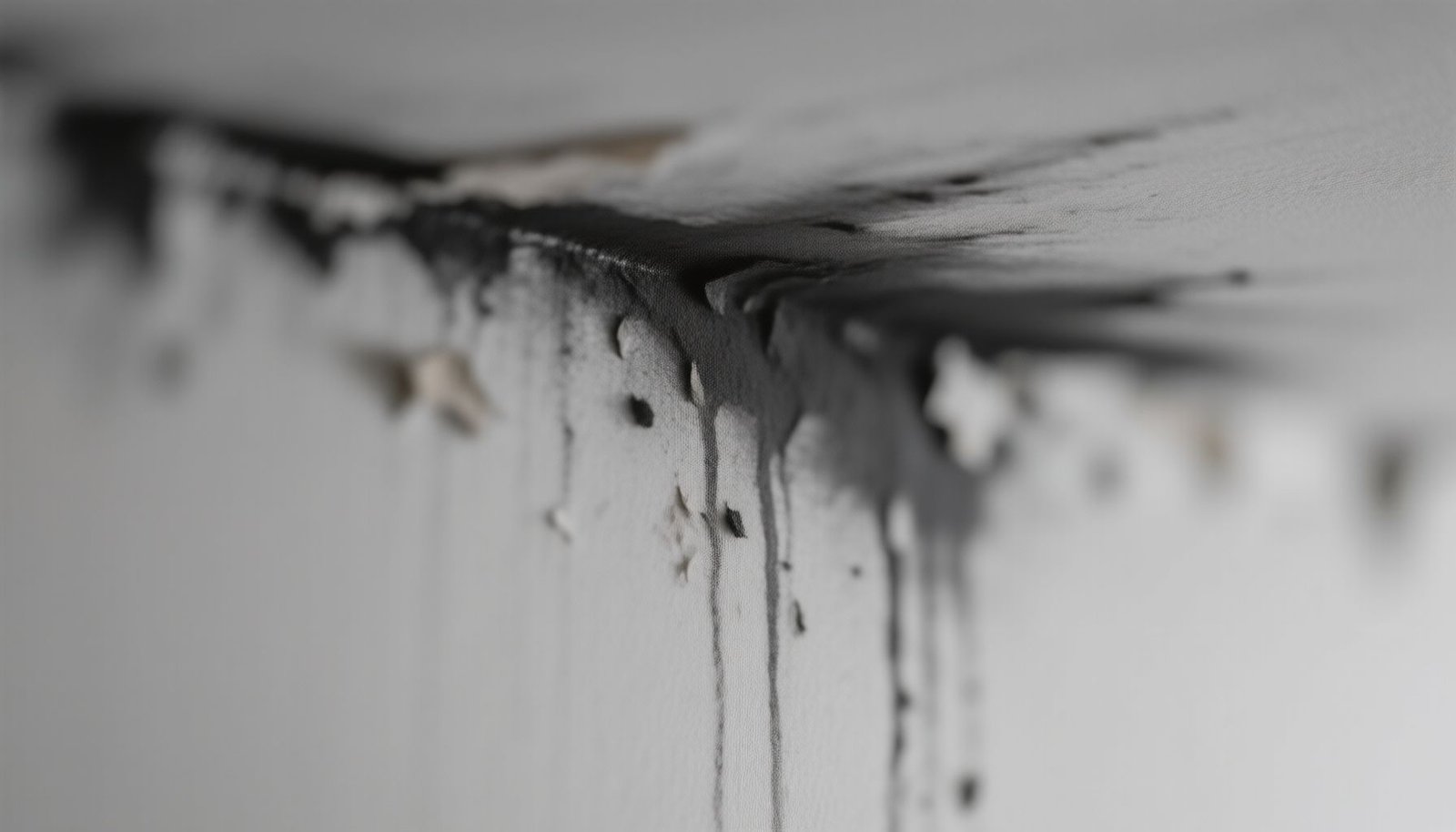
The close-up above gives a sense of the kind of detail that’s worth photographing when you document fire-related damage.
Is Smoke Damage Covered, Even If the Fire Was in Another Unit?
Smoke and soot damage to your belongings is typically covered when it comes from a sudden, accidental fire, and the policy generally looks at the cause of the loss rather than whose unit the fire started in. “Sudden and accidental” means the damage happened unexpectedly rather than slowly over time, and many policies draw that same line for smoke. That sudden-versus-gradual idea is also why a slow leak is treated differently from a fire, which we explain in our guide on whether renters insurance covers water leak and pipe damage.
Here’s a hypothetical example. Soot still settles on the couch, clothes and curtains, and the smell lingers, so the tenant may be able to claim cleaning or replacement costs for those belongings, minus the deductible, depending on policy wording and what the insurer decides is cleanable.
Does Renters Insurance Pay for Temporary Housing, or for the Building?
Loss of use is the part of a policy that helps with extra living costs when a covered loss makes your home unlivable. In many policies it can help with things like temporary lodging and some added costs beyond what you’d normally spend, though limits and time caps often apply.
The building is a different story. A renters policy typically doesn’t pay to repair walls, floors, wiring or cabinets, because the landlord owns them and typically carries their own insurance. If you accidentally caused the fire, the liability part of your policy, which typically responds when you’re legally responsible for damaging someone else’s property or injuring someone, may come into play, and a landlord’s insurer may sometimes seek repayment from the person responsible.
| Situation | Typically covered? | What to check in your policy |
|---|---|---|
| Your furniture, clothes and electronics are damaged by fire | Typically covered under personal property coverage | Whether payment is actual cash value or replacement cost, your deductible, and any special limits on certain items |
| Your unit is unlivable after a covered fire | Often helped by loss of use coverage | The limit, any time cap, and what receipts the insurer wants |
| Fire damages the walls, floors and fixtures of the building | Typically the landlord’s insurance, not yours | Your lease, and the wording of your liability coverage if you may be responsible |
| A fire you accidentally started spreads to a neighbor’s unit | Liability coverage may respond | Your liability limit, exclusions, and what the policy says about damage to rented property |
Why Would a Fire Claim Be Denied or Reduced?
Fire is a typically covered cause of loss, but a claim can still be reduced or denied. Insurance is designed around accidental, unexpected losses, so insurers write exclusions (the policy’s list of things it won’t pay for) to keep deliberate acts and certain risks out of the pool. Here are some common reasons a payout ends up smaller than a tenant expects.
- Deliberate acts: a fire set on purpose by someone covered by the policy is typically excluded, and dishonesty in a claim can put coverage at risk.
- Special limits: jewelry, cash, collectibles and business equipment often have lower caps, called sublimits, inside the overall personal property limit.
- Limit and deductible: payment typically can’t exceed your coverage limit, and the deductible usually comes off first.
- Unlisted people: a roommate who isn’t named on your policy may not be covered by it, depending on the policy’s wording.
- Thin records: if you can’t show what you owned, the insurer may question or reduce what it can’t verify.
Insurers also separate fire damage from problems that were already there. Scratched floors from a pet, for example, weren’t caused by the fire, and that’s a different question covered in our guide
Frequently Asked Questions
Does renters insurance cover fire damage to my belongings?
Renters insurance typically covers your personal belongings, such as furniture, clothing, and electronics, when they are damaged or destroyed by a fire. Coverage usually depends on your policy and state, including your coverage limits and deductible. Check your own policy to see what is listed as a covered peril.
Does renters insurance cover smoke damage even if the fire was in another unit?
Smoke damage to your belongings is often covered when the smoke comes from a covered event like a fire, even if the fire started in a neighboring unit. Whether a claim is accepted usually depends on your policy and state. Contact your insurer to confirm how smoke damage is handled under your specific policy.
Does renters insurance pay for a hotel if my apartment is unlivable after a fire?
Many renters policies include additional living expenses coverage, which often helps with temporary housing and related costs when a covered fire makes your home unlivable. The details usually depend on your policy and state, including any limits that apply. Your insurer can explain what is included in your plan.
Does renters insurance cover fire damage if I caused the fire by accident?
Renters insurance often covers fire damage to your belongings even when the fire was accidental, such as a cooking mishap. Policies typically also include liability coverage that may help if you are responsible for damage to the building or to others’ property. Exclusions can apply, and the outcome depends on your policy and state.
What can I do if my renters insurance company denies my fire damage claim?
Start by reading the denial letter and comparing it with your policy to understand the stated reason. You can often ask your insurer to review the decision or provide additional documentation, such as photos or a list of damaged items. If you still disagree, a licensed attorney or your state insurance department can help with disputes.
Where to Verify This for Your Own Situation
- Your own policy: the declarations page, the coverage forms and any endorsements are what actually decide a claim.
- Your insurer or licensed agent: ask for the answer in writing if it affects a major decision.
- Your state insurance department: the regulator for your state, through the National Association of Insurance Commissioners (NAIC) website.
- General consumer explanations: the Insurance Information Institute.
- Flood coverage: the National Flood Insurance Program (a separate policy from standard home or renters insurance).
Disclaimer: This article is general educational information, not insurance, legal, tax or financial advice, and it is not a statement about what your own policy covers or will pay. Coverage depends on your specific policy wording, endorsements, limits and deductibles, your insurer and your state, and on the facts and cause of each loss. Insurers decide claims based on your policy, so read it and confirm details with your insurer or a licensed insurance agent before you rely on anything here or file a claim. Covered or Excluded is not an insurance company, agent or broker, and we cannot review your policy or your claim. If you need legal advice about a denied claim, speak with a licensed attorney in your state. In an emergency, contact emergency services first.