
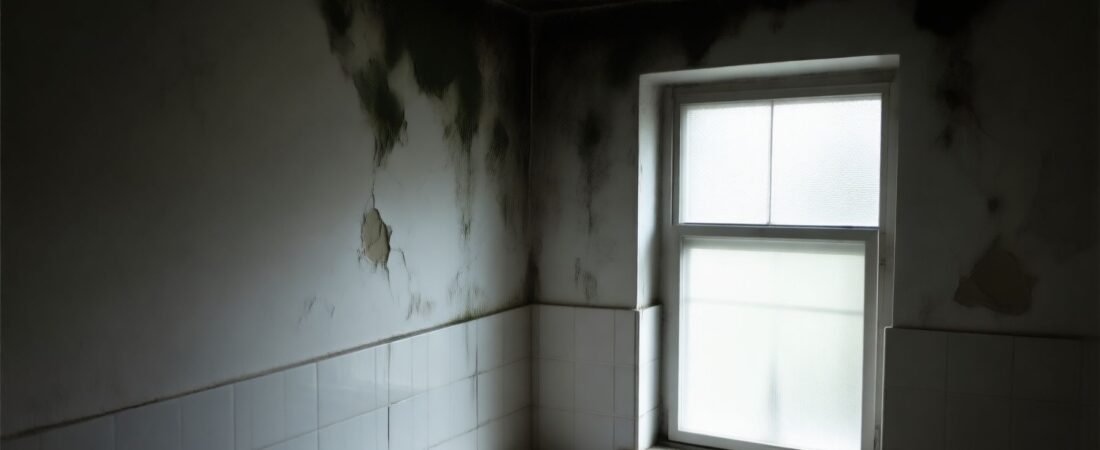
Quick Answer — It depends: Renters insurance typically covers mold damage to your belongings only when the mold follows a covered, sudden and accidental event, such as a pipe bursting. It often excludes mold caused by long-term leaks, humidity or poor upkeep, and the outcome depends on your policy wording, endorsements, limits and state.
This guide explains when mold damage to a renter’s belongings may be covered, when it’s often excluded, what a renters policy typically doesn’t pay for at all, and what to do if you find mold in your home.
Does Renters Insurance Cover Mold Damage to My Belongings?
Sometimes, and the deciding factor is usually the cause of the moisture rather than the mold itself. A renters policy typically covers a tenant’s personal belongings, liability (your legal responsibility if you accidentally injure someone or damage their property) and loss of use (help with extra living costs if a covered event makes your home unlivable). Mold on your couch, clothes or books is often treated as a result of whatever let the water in.
Policies generally protect belongings from specific causes of loss, such as fire or certain kinds of water damage, and then list exclusions, which are the situations the insurer has chosen not to cover. If the mold followed a covered event, it may be handled as part of that claim; if it followed an excluded cause, it typically isn’t. Which of those applies depends on your policy wording, any endorsement (an add-on that changes the base policy) and your state.
Is Mold Covered If It Comes From a Burst Pipe or a Slow Leak?
The line insurers draw is between sudden and gradual damage. “Sudden and accidental” describes something that happens abruptly and unexpectedly, like a supply hose splitting, while “gradual” describes damage that builds over time, like a slow drip or constant seepage. Standard policies typically respond to the first and exclude the second, because a slow leak is usually treated as a maintenance problem that could have been caught and fixed early.
Picture a hypothetical tenant whose washing machine hose splits while they’re at work, and a week later there’s mold on a box of clothes stored nearby. That tenant may have a claim for the damaged belongings if the policy treats the hose failure as a covered sudden event. A different tenant who noticed a damp cabinet for months might be told the damage was gradual, but either result depends on the policy wording, the facts and the insurer’s investigation.
| Situation | Typically covered? | What to check in your policy |
|---|---|---|
| A pipe or hose bursts suddenly inside your unit and mold follows on your belongings | Often covered for the belongings, if the water event is a covered cause | The water damage wording, any “sudden and accidental” language, and whether mold has its own exclusion or limit |
| A slow leak under a sink or behind a wall goes unnoticed for a long time | Often excluded as gradual damage or seepage | Exclusions for continuous or repeated leakage and for wear and tear, plus when you first noticed the problem and told your landlord |
| Humidity, condensation or poor ventilation leads to mold | Typically excluded | Exclusions for neglect, maintenance issues or moisture, and what your lease says about ventilation |
| Water enters from outside, such as floodwater or groundwater | Often excluded under standard policies unless separate coverage applies | The flood exclusion, any separate flood policy, and whether a water backup endorsement exists |
Will Renters Insurance Pay to Remove Mold From My Apartment?
Usually not for the building itself. Renters insurance typically doesn’t cover the structure, meaning the walls, floors, ceilings and built-in plumbing, because the landlord owns it. A landlord’s policy generally protects the landlord’s building and interests rather than your belongings, and who must repair mold inside a wall depends on your lease and local rules.
Homeowners policies are built differently. They typically include dwelling coverage for the structure, other-structures coverage for things like a detached garage or fence, belongings, liability and loss of use, so a homeowner’s mold claim may be considered under the structure coverage when a covered cause was behind it. For renters, the pieces that may come into play are belongings and, if a covered event makes the unit unlivable, loss of use, though mold exclusions and special limits are common in both types of policy.
Why Do Insurers Exclude or Limit Mold Claims?
Insurance is designed to cover sudden, unexpected losses, not conditions that develop slowly or could be prevented with ordinary upkeep. Mold can grow from many moisture sources, including ones that go unnoticed for a long time, so insurers often exclude it or tie it to a covered water event. Some policies also include a separate limit for mold-related costs, which is one more reason to read yours closely.
After a loss, policies also typically expect you to take reasonable steps to stop further damage, and a delay can give the insurer a reason to limit a claim. Here are common reasons mold claims are limited or denied, though your own policy’s wording is what controls.
- Long-term or repeated leakage or seepage, which is often grouped under gradual-damage exclusions.
- Humidity, condensation or poor ventilation, which insurers may treat as maintenance issues rather than sudden events.
- Flood, surface water or sewer and drain backup, which standard policies typically exclude unless there’s separate coverage or an endorsement.
- A mold or fungi exclusion, or a separate mold limit, written into the policy, sometimes with exceptions when the mold follows a covered water loss.
- Damage to the building itself, which a renters policy typically doesn’t cover at all.
- Delays in reporting the problem, or not taking reasonable steps to limit the damage once you knew about it.
What Should I Do If I Find Mold in My Rental?
Start with safety. If water is near outlets, appliances or an electrical panel, if you smell gas, or if a ceiling or floor looks damaged, step away and follow guidance from emergency services, your utility or a qualified professional before anything else. This article isn’t medical or remediation advice, so for health concerns or cleanup decisions, a doctor or a qualified remediation professional is the right person to ask.
Once things are safe, these steps tend to protect both your belongings and any claim, though the best order depends on your lease and situation.
- If it’s safe to do so, identify the water source and tell your landlord or property manager in writing, so there’s a dated record of when you reported it.
- Photograph and video the mold, the moisture source and the affected belongings before you move or clean anything, and jot down what you noticed and when.
- Take reasonable steps to prevent further damage, such as moving unaffected items away from wet areas, and keep receipts for any emergency expenses.
- Ask your insurer before throwing away damaged items, since you may need to show them or at least document them thoroughly.
- Read your policy’s water damage language, the exclusions section and any mold wording, and note your deductible, which is the amount you pay out of pocket before coverage applies.
- Contact your insurer or agent promptly to ask whether and how to file, because notice requirements and deadlines vary by policy and state.
Pro-Tip: Write down what you saw and when, stick to plain facts, and keep copies of every message with your landlord and insurer. Accurate, dated records support a legitimate claim, while guessing at details, changing dates or overstating a loss can damage your credibility and isn’t honest, so describe only what you actually observed.
When to Talk to Your Insurer, Agent or an Attorney:
- The mold or moisture keeps spreading after you’ve reported it, or the water source hasn’t been stopped. Tell your landlord and insurer, and ask what they expect you to do in the meantime.
- You receive a denial letter you disagree with. Ask the insurer to point to the specific policy language it relied on, and know that a licensed attorney in your state can advise you on your options.
- A covered event has made your unit unlivable or left many belongings a total loss. Ask your insurer how loss of use works under your policy and how it values damaged belongings.
- Someone has been hurt or feels unwell and connects it to the mold. Get appropriate medical care first, then ask your insurer or an attorney how liability or other coverage may apply.
- Your own policy: the declarations page, the coverage forms and any endorsements are what actually decide a claim.
- Your insurer or licensed agent: ask for the answer in writing if it affects a major decision.
- Your state insurance department: the regulator for your state, through the National Association of Insurance Commissioners (NAIC) website.
- General consumer explanations: the Insurance Information Institute.
- Flood coverage: the National Flood Insurance Program (a separate policy from standard home or renters insurance).
Frequently Asked Questions
Does renters insurance cover mold damage?
It depends on your policy and state, but renters insurance typically covers mold only when it results from a covered event, such as a sudden pipe burst. Mold caused by ongoing issues like poor ventilation or long-term leaks is often excluded. Check your own policy wording or contact your insurer to see how mold is treated.
Does renters insurance cover mold from a water leak or burst pipe?
Often, yes, if the leak was sudden and accidental, since the mold may be treated as a result of a covered loss. Slow or repeated leaks that went unaddressed are usually treated differently and may not be covered. Your insurer can explain how your policy treats water-related mold.
Will renters insurance pay to replace my belongings if they get moldy?
Personal property damaged by mold may be covered when the mold stems from a covered cause of loss, though this depends on your policy. Some policies limit or exclude mold-related claims even when your belongings are affected. Reviewing your policy’s personal property and mold sections can help you understand what applies.
Is my landlord or my renters insurance responsible for mold in my apartment?
Landlords are often responsible for repairing the building and addressing underlying problems like leaks or moisture, while renters insurance typically focuses on your belongings and certain living expenses. Responsibility can depend on your lease and your state. If you have a dispute, a licensed attorney or your state insurance department can help.
Does renters insurance cover hotel costs if I can’t live in my apartment because of mold?
Many policies include additional living expenses coverage, which may help with temporary housing if a covered loss makes your home unlivable. Whether mold qualifies usually depends on what caused it and the terms of your policy. Contact your insurer to ask whether this coverage applies to your situation.
Where to Verify This for Your Own Situation
Disclaimer: This article is general educational information, not insurance, legal, tax or financial advice, and it is not a statement about what your own policy covers or will pay. Coverage depends on your specific policy wording, endorsements, limits and deductibles, your insurer and your state, and on the facts and cause of each loss. Insurers decide claims based on your policy, so read it and confirm details with your insurer or a licensed insurance agent before you rely on anything here or file a claim. Covered or Excluded is not an insurance company, agent or broker, and we cannot review your policy or your claim. If you need legal advice about a denied claim, speak with a licensed attorney in your state. In an emergency, contact emergency services first.