
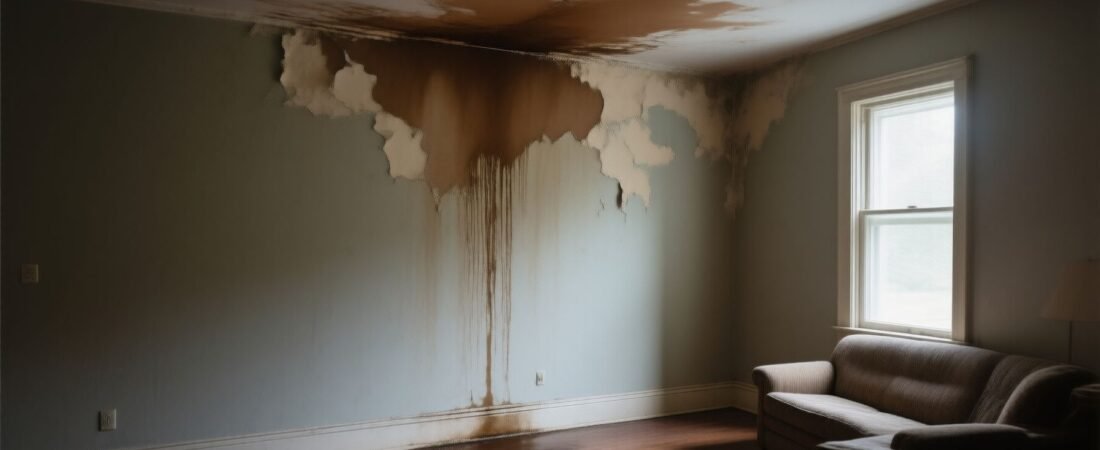
Quick Answer — It depends: Standard homeowners policies typically cover water damage that is sudden and accidental, such as a pipe that bursts. They often exclude damage that builds up slowly, and they typically exclude flooding from outside the home. What applies to you depends on the cause of the water, your policy wording, any endorsements and your state.
Is that ceiling stain a covered claim, or a repair bill that lands on you? The answer usually turns on one question: did the water arrive suddenly, or did it seep in over time?
Below, we’ll look at how “sudden and accidental” differs from “gradual,” why flood water is treated differently from plumbing water, and what to do in the first hours after a leak. We’ll also cover how things change for renters and condo owners. Nobody can tell you exactly what your own policy says, so use this as a map for reading it.
Is Water Damage From a Burst Pipe or Sudden Leak Covered?
Often, yes. Standard homeowners policies typically cover damage from water that escapes suddenly and accidentally from plumbing, heating or air conditioning systems, and from household appliances like a dishwasher, washing machine or water heater. “Sudden and accidental” means unexpected and quick, not something that crept along unnoticed.
The reasoning is simple. Insurance is built for events you can’t predict or budget for, and a pipe that bursts overnight fits that description. Even then, you’d usually pay your deductible, which is the amount you cover yourself before the insurer pays anything. Some policies also attach conditions to freeze-related damage, such as expecting the home to stay heated, so this depends on your exact wording.
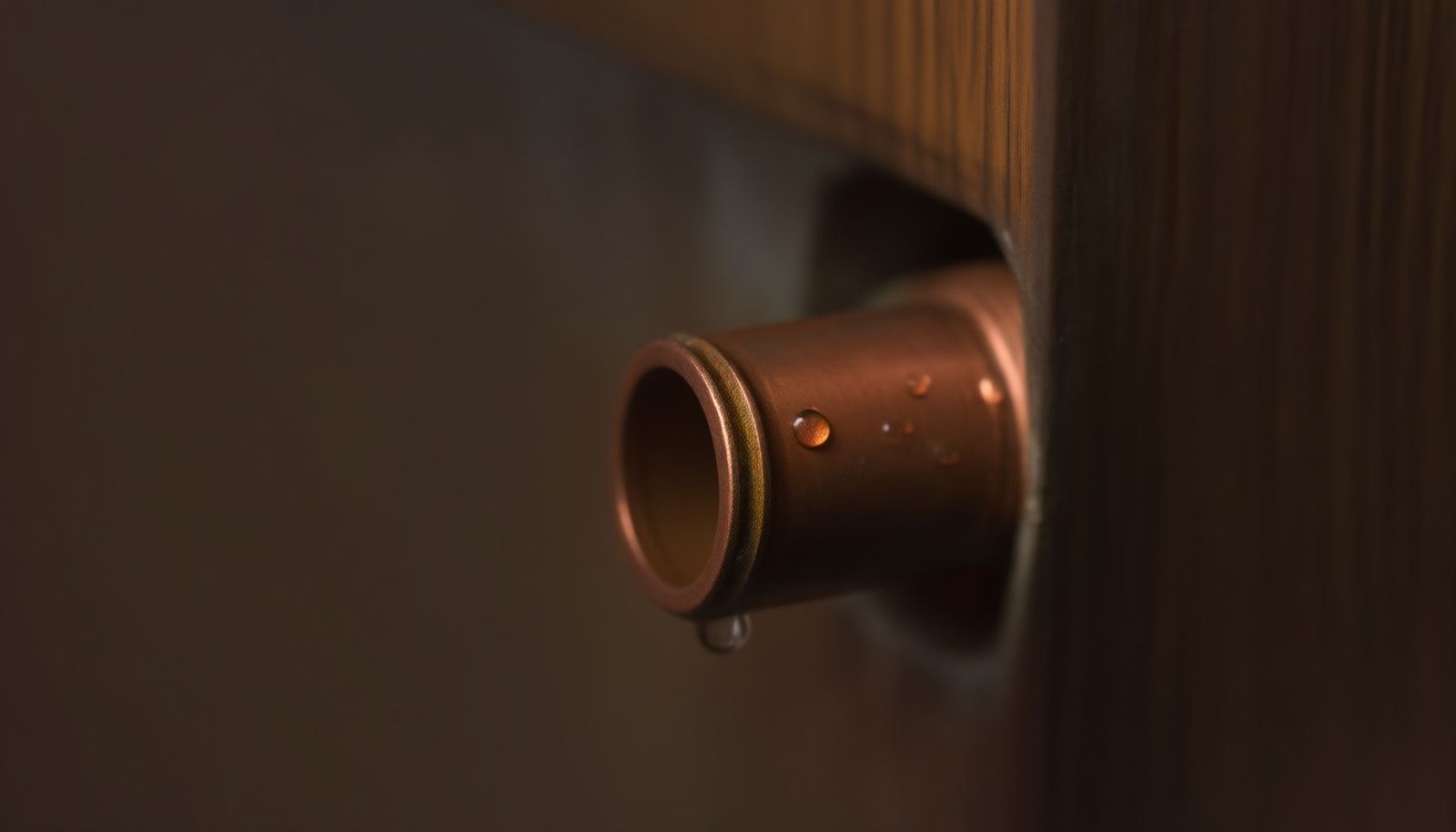
This close-up shows the kind of surface detail that can matter when water damage is documented and assessed.
Does Homeowners Insurance Cover Slow Leaks and Gradual Water Damage?
Typically not. Many policies exclude damage from continuous or repeated seepage or leakage over a period of time, along with wear and tear, rust, rot and deterioration. Insurers see these as problems that regular upkeep can prevent, and a policy isn’t designed to work like a maintenance plan.
Here’s a hypothetical example. Picture two homeowners. One has a dishwasher supply line snap overnight and flood the kitchen. The other has a slow drip under the bathroom sink that quietly rots the cabinet floor for months. The water looks the same, but the first may be treated as sudden and the second as gradual, and how a claim is actually handled depends on the policy wording and what the insurer finds.
Here are some things insurers commonly exclude or limit in water damage claims:
- Seepage or leakage that happens continuously or repeatedly over a long period
- Wear and tear, rust, corrosion and general deterioration of pipes, seals and fixtures
- Rot or damage tied to poor maintenance
- Damage from a known problem that was left unrepaired
- The cost of fixing the worn part itself, such as the corroded pipe, even when the resulting damage is covered
- Mold that follows a long-term moisture problem, which policies often exclude or cap
Some policies treat hidden leaks inside walls or under slabs differently from visible ones, and wording varies by insurer and state. If you find a leak, report what you actually found and when.
What About Flooding, Sewer Backup and Groundwater?
Flood damage is a different category, and standard homeowners policies typically exclude it. That generally means water coming from outside the home, such as rising rivers, heavy storm runoff or overland surface water. Coverage for it usually comes from a separate flood insurance policy.
Sewer and drain backup is another common gap. Many policies exclude it unless you’ve added an endorsement, which is an add-on that changes what the base policy covers. Groundwater that seeps up through floors or foundation walls is also often excluded. Flood water can carry contamination and electrical hazards, so safety comes before cleanup, and you should follow guidance from emergency services or a qualified professional.
| Situation | Typically covered? | What to check in your policy |
|---|---|---|
| A supply line or pipe bursts suddenly inside the home | Often covered, after your deductible | The definition of sudden and accidental, and any freeze-related conditions |
| A slow leak under a sink or behind a wall over many months | Often excluded as gradual damage or wear and tear | Exclusions for continuous seepage, deterioration and maintenance |
| Storm water or a rising river enters the home | Typically excluded under a standard policy | Whether you carry a separate flood policy |
| Sewer or drain water backs up into the house | Often excluded unless an endorsement was added | Whether a water backup endorsement is on your policy and what limit applies |
What Should You Do Right After Water Damage Happens?
Safety comes first. If water is near outlets, you smell gas, or ceilings or floors look like they’re sagging, get out and call emergency services or your utility. No claim is worth a risk like that.
Once things are safe, these five steps usually help:
- Make the area safe, and shut off the water at the main valve if you can reach it without risk. Ask your utility or a qualified electrician before touching anything electrical that’s been wet.
- Take reasonable steps to limit further damage, such as moving belongings, mopping up or covering an opening. Policies often expect this, so keep your receipts.
- Photograph and video the damage, the source of the water and the affected belongings before cleanup, and start a list of what was harmed.
- Contact your insurer or agent to report the loss and ask about next steps.
- Ask before making permanent repairs or throwing out damaged materials, since the insurer may want to see them first.
If you have a mortgage, your lender is often listed on the policy, so payments for the structure may involve them. Having your premium collected through your mortgage payment doesn’t change what the policy covers. If you’re unsure how that setup works, Is Homeowners Insurance Paid Through Escrow? explains it.
Pro-Tip: Record what you see in plain facts, with the date, before you clean up. Photograph the failed part and the damage as it really looks, and keep the failed part if it’s safe to do so. Accurate, dated records tend to support a claim, while exaggeration or guesses can undermine it.
Does the Answer Change for Renters, Condo Owners or Landlord-Owned Buildings?
It can change quite a bit. Renters policies typically cover the tenant’s belongings, liability and loss of use (help with extra living costs if the home can’t be lived in), but not the building itself. So if a pipe bursts in a rented apartment, repairs to walls, floors and plumbing typically fall under the landlord’s insurance, while your own belongings may be covered if the cause is one your policy includes. Homeowners policies, by contrast, typically cover the dwelling (the house itself), other structures like a detached garage, belongings, liability and loss of use.
Condos add another layer. The association’s master policy may cover some parts of the building while your own policy covers other parts, and where that line falls depends on the association’s governing documents. Our guide to Homeowners Insurance for Condos and Townhouses goes deeper on that split. If water from your unit damages a neighbor’s, the liability part of your policy may come into play, depending on responsibility and your wording.
When to Talk to Your Insurer, Agent or an Attorney:
- The water is still spreading, or you can’t find where it’s coming from. Call your insurer, and a licensed plumber or other qualified professional, promptly.
- You receive a denial or partial payment you disagree with. Ask the insurer to point to the policy language it relied on, and know that a licensed attorney in your state can advise you on a denied claim.
- The home is unlivable or heavily damaged. Ask your insurer how loss of use and any total loss are handled under your policy.
- Someone was injured, or water from your home damaged a neighbor’s unit or property.
- The wording on sudden versus gradual damage, or on endorsements, is unclear to you. Or you rent and your landlord disagrees with you about who is responsible for repairs.
Before the next leak, open your policy and find the exclusions section, then look for the words “seepage,” “wear and tear,” “flood” and “backup.” Note your deductible and any water backup endorsement while you’re there. If something reads oddly, ask your agent to explain it in plain language now, while nothing is wet.
Frequently Asked Questions
Does homeowners insurance cover water damage from a burst pipe?
Homeowners insurance typically covers water damage from a pipe that bursts suddenly and unexpectedly. Coverage often applies to the repairs to your home and belongings damaged by the water. The details depend on your policy and state, so check your policy or contact your insurer to confirm what applies to you.
Is gradual water damage like a slow leak covered by homeowners insurance?
Gradual damage, such as a slow leak that goes on for a long period, is usually excluded from standard homeowners policies. Insurers often treat it as a maintenance issue rather than a sudden accident. Whether any part of the loss is covered depends on your policy and state.
Does homeowners insurance cover flood damage?
Standard homeowners policies usually do not cover flooding from sources like rising rivers, storm surge, or heavy surface water. Flood coverage is often sold separately, so it is worth asking your insurer what you have. What counts as a flood versus other water damage can depend on your policy.
Does homeowners insurance cover sewer or drain backup?
Water that backs up through sewers or drains is often excluded from a standard policy. Some insurers offer an optional add-on that may cover it, though terms vary. Review your policy or ask your insurer whether you have this type of coverage.
What can I do if my insurer denies my water damage claim?
You can usually start by asking your insurer for the denial in writing and reading the reason it gave against your policy language. Many insurers have an appeals or review process you may be able to use. If you still disagree, a licensed attorney or your state insurance department can help explain your options.
Where to Verify This for Your Own Situation
- Your own policy: the declarations page, the coverage forms and any endorsements are what actually decide a claim.
- Your insurer or licensed agent: ask for the answer in writing if it affects a major decision.
- Your state insurance department: the regulator for your state, through the National Association of Insurance Commissioners (NAIC) website.
- General consumer explanations: the Insurance Information Institute.
- Flood coverage: the National Flood Insurance Program (a separate policy from standard home or renters insurance).
Disclaimer: This article is general educational information, not insurance, legal, tax or financial advice, and it is not a statement about what your own policy covers or will pay. Coverage depends on your specific policy wording, endorsements, limits and deductibles, your insurer and your state, and on the facts and cause of each loss. Insurers decide claims based on your policy, so read it and confirm details with your insurer or a licensed insurance agent before you rely on anything here or file a claim. Covered or Excluded is not an insurance company, agent or broker, and we cannot review your policy or your claim. If you need legal advice about a denied claim, speak with a licensed attorney in your state. In an emergency, contact emergency services first.