
Quick Answer — It depends: The price of homeowners insurance depends mostly on what it would cost to rebuild your home, the coverage limits and deductible you choose, and where you live, so no single figure fits every home value. In general, a home that costs more to rebuild tends to cost more to insure.
So what number should you plan for if your home is worth a certain amount? Nobody can give you a trustworthy figure without knowing your house, your location and your coverage choices, and this article won’t pretend otherwise. What it will do is show how home value feeds into the price, why a quote can look so different from what you paid for the house, and how to check that your coverage amount fits.
How Much Is Homeowners Insurance for My Home’s Value?
The short version is that the premium (the amount you pay for the policy, usually billed yearly or monthly) tends to rise as the amount of coverage on your home rises. A house that would cost more to rebuild typically needs a higher coverage limit, and that often pushes the price up. That’s the pattern, but the exact amount is a different matter.
This article doesn’t list dollar figures by home value, and that’s deliberate. Prices vary by insurer, state, neighborhood, construction, claims history and the choices you make on deductibles and add-ons, so a chart of “typical” prices could easily mislead you.

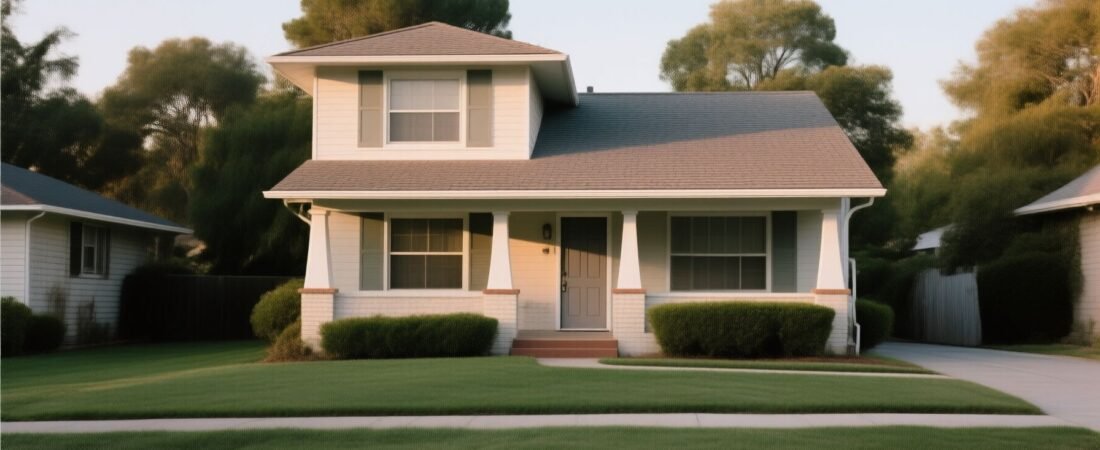
The close-up image above illustrates the kind of home details that can factor into how a house is priced for coverage.
Does a Higher Home Value Mean a Higher Premium?
Often, but the value that matters most usually isn’t the one on your sales contract. Dwelling coverage (the part of a homeowners policy that pays to repair or rebuild the house itself) is typically based on the estimated cost to rebuild, not the market price. Market price tends to include land and neighborhood demand, and a rebuild doesn’t involve either one.
Picture two neighbors, as a hypothetical example, whose houses sold for about the same price. One has a plain layout, and the other has custom cabinetry, specialty flooring and a complicated roofline. The second house may cost more to rebuild, so it may need a higher limit and a higher premium even though the sale prices matched. Here’s what tends to move rebuild cost:
- Size and layout: more floor space and more complicated shapes generally mean more to rebuild.
- Materials and finishes: higher-end materials and custom work typically cost more to replace than standard ones.
- Local labor and material costs: these vary by area and can change over time, which is one reason a limit that fit years ago may not fit now.
- Age and building rules: rebuilding an older home may require updates to meet current building codes. Whether your policy helps with that extra cost depends on its wording and any endorsements (optional add-ons to a policy).
What Does a Homeowners Insurance Premium Actually Pay For?
A standard homeowners policy typically bundles several coverages: the dwelling, other structures (such as a detached garage or fence), personal property (your belongings), liability (protection if you’re held responsible for injuring someone or damaging their property) and loss of use (help with extra living costs if a covered loss makes your home unlivable). Home value mostly drives the dwelling part, while the other limits are often tied to it or chosen separately, depending on the insurer.
Renters policies work differently because a tenant doesn’t insure the building. They typically cover the tenant’s belongings, liability and loss of use, so the price tends to follow what you own rather than what the house is worth. Who else in a household counts as covered varies, and Does Renters Insurance Cover Roommates? explains how that usually works.
What Does the Premium Not Cover, and What Do I Pay Out of Pocket?
Your deductible is the amount you pay toward a covered loss before the insurer pays the rest. Choosing a higher deductible typically lowers the premium, but it also means more comes out of your own pocket when you claim. What’s sensible depends on your savings and how much risk you’re comfortable carrying.
Paying a premium also doesn’t mean every kind of damage is included. Standard policies typically exclude flood and earthquake damage, and wear and tear or gradual damage is commonly excluded because policies are built for sudden and accidental loss, not routine upkeep. Separate coverage may be available for some of these, depending on your insurer and state.
| Situation | Typically covered? | What to check in your policy |
|---|---|---|
| A sudden kitchen fire damages the house | Typically covered, up to your limit and after your deductible | Your dwelling limit, your deductible and any special limits or conditions |
| Rising river water enters the ground floor | Typically excluded from a standard policy | The exclusions section, and whether you have separate flood coverage |
| A roof leaks because of long-term aging | Often excluded as wear and tear or gradual damage | Wording on maintenance, wear and tear, and any roof-specific terms |
How Can I Tell if My Coverage Amount Fits My Home’s Value?
If your dwelling limit is lower than the true cost of rebuilding, a covered loss may leave a gap that you’d have to cover yourself. How your policy treats that gap depends on its wording, including whether it pays replacement cost (the cost to replace something without subtracting for age) or actual cash value (which usually subtracts depreciation, meaning loss of value over time).
It’s also useful if you’re weighing a move to a different insurer, and How to Change or Switch Homeowners Insurance covers that process. Here’s a short checklist for the review itself:
- Find your declarations page, the summary page that lists your coverage limits, deductibles and policy period.
- Note your dwelling limit and ask how the insurer estimated your home’s rebuild cost.
- Check whether the structure and your belongings are paid at replacement cost or actual cash value.
- List recent renovations or additions and confirm your insurer knows about them.
- Look at your deductible, including whether a separate deductible applies to certain events, since some policies treat certain kinds of storm damage differently.
- Read the exclusions section and ask about optional add-ons for anything you’re concerned about.
Pro-Tip: Keep a dated set of photos of each room and the exterior, plus receipts for any upgrades, and save a copy of your declarations page at each renewal. Accurate records help you and your insurer see what’s actually there, which supports a fair coverage amount now and a clear claim later. Record what’s real, and don’t guess or round up.
When to Talk to Your Insurer, Agent or an Attorney:
- You can’t tell whether your dwelling limit would cover a full rebuild, or the insurer’s estimate doesn’t seem to match your home’s features. Ask your insurer or agent how it was calculated.
- You’ve finished a renovation or addition and aren’t sure your policy reflects it.
- Your premium changed at renewal and the notice doesn’t explain why. Your agent or insurer can usually walk you through the reasons.
- You received a denial letter or a payment you disagree with. Ask for the reasons in writing, and a licensed attorney in your state can advise you on your options.
- You’ve had a total loss, someone was injured, or you rent and a landlord disputes who pays for damage. Safety comes first, so follow emergency services’ guidance before re-entering a damaged building, then contact your insurer and check your policy and lease.
Pull out your declarations page this week and circle three things: your dwelling limit, your deductible, and the page where the exclusions section begins. Keep them handy for your next renewal notice or quote comparison.
Frequently Asked Questions
How much is homeowners insurance per month?
The monthly cost usually depends on your home’s value, location, age, and the coverage you choose. Premiums are often quoted yearly and then split into monthly payments, so the amount you see can vary by insurer. Getting quotes for your specific home is typically the most reliable way to find out.
Does homeowners insurance cost more for a more expensive house?
It often does, because a higher-value home typically costs more to rebuild or repair, and the dwelling coverage limit usually rises with that cost. Materials, size, and custom features can also push the price up. The exact difference depends on your policy and state.
Why is homeowners insurance so expensive in some states?
Costs are often higher in areas with more frequent severe weather, such as storms, wildfires, or flooding, since insurers usually price in the risk of claims. Local building costs and claim history can also play a role. What you pay depends on your policy and state.
How can I lower my homeowners insurance premium?
Many homeowners compare quotes from several insurers, ask about discounts, or bundle policies to try to reduce costs. Choosing a higher deductible can often lower the premium, though it usually means paying more out of pocket when you file a claim. Ask your insurer which options are available for your policy.
What does a typical homeowners insurance policy cover?
A standard policy usually covers the structure of your home, your personal belongings, liability protection, and additional living expenses if you cannot stay in your home after a covered loss. Certain events, such as flooding, are often excluded and may need separate coverage. Check your own policy or contact your insurer to confirm exactly what is included and excluded.
Where to Verify This for Your Own Situation
- Your own policy: the declarations page, the coverage forms and any endorsements are what actually decide a claim.
- Your insurer or licensed agent: ask for the answer in writing if it affects a major decision.
- Your state insurance department: the regulator for your state, through the National Association of Insurance Commissioners (NAIC) website.
- General consumer explanations: the Insurance Information Institute.
- Flood coverage: the National Flood Insurance Program (a separate policy from standard home or renters insurance).
Disclaimer: This article is general educational information, not insurance, legal, tax or financial advice, and it is not a statement about what your own policy covers or will pay. Coverage depends on your specific policy wording, endorsements, limits and deductibles, your insurer and your state, and on the facts and cause of each loss. Insurers decide claims based on your policy, so read it and confirm details with your insurer or a licensed insurance agent before you rely on anything here or file a claim. Covered or Excluded is not an insurance company, agent or broker, and we cannot review your policy or your claim. If you need legal advice about a denied claim, speak with a licensed attorney in your state. In an emergency, contact emergency services first.